Kalmyk History:
Articles & Literature
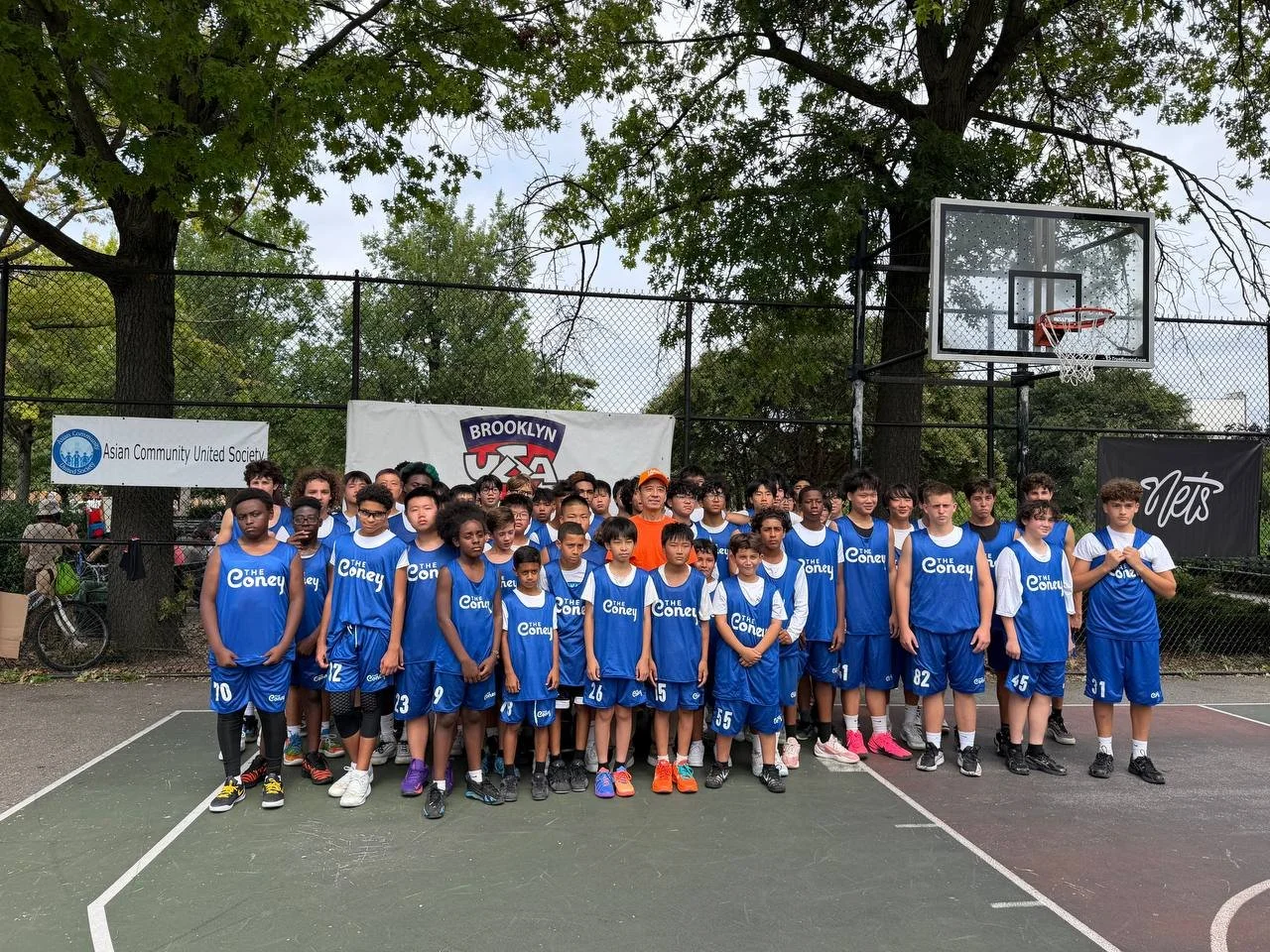
Kalmyk Heritage Center Hosts Youth Basketball Tournament and Community Cleanup
The Kalmyk Heritage Center recently hosted a youth basketball tournament in partnership with Brooklyn USA Basketball, bringing young athletes and families together for a day of sports, teamwork, and community spirit. Following the tournament, center volunteers joined Assemblyman William Colton for a routine neighborhood cleanup, demonstrating the community’s continued commitment to youth development, civic engagement, and keeping the neighborhood clean and welcoming.
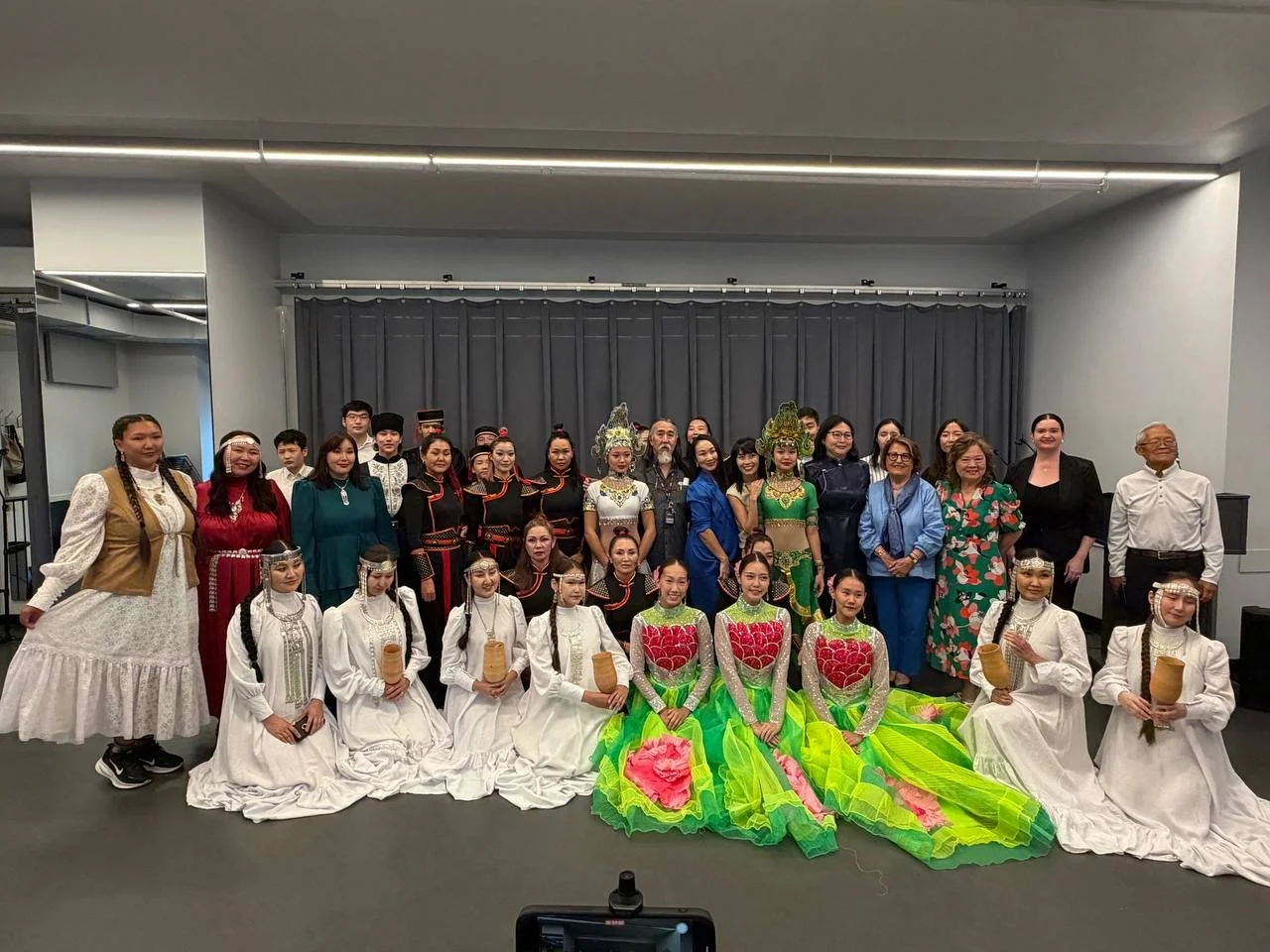
CID UNESCO Certificate Presentation & Celebration
The Kalmyk Heritage Center was honored to take part in a special evening celebrating the presentation of CID UNESCO Certificates on August 29, 2026, at 5:00 PM. We were truly delighted to be part of this beautiful and meaningful event.

A Cleaner Bensonhurst: Celebrating Our July Clean-Up Success and Looking Ahead
Read about the Kalmyk Heritage Center's successful July clean-up in Bensonhurst. Join future events, earn student service hours, or become a sponsor.
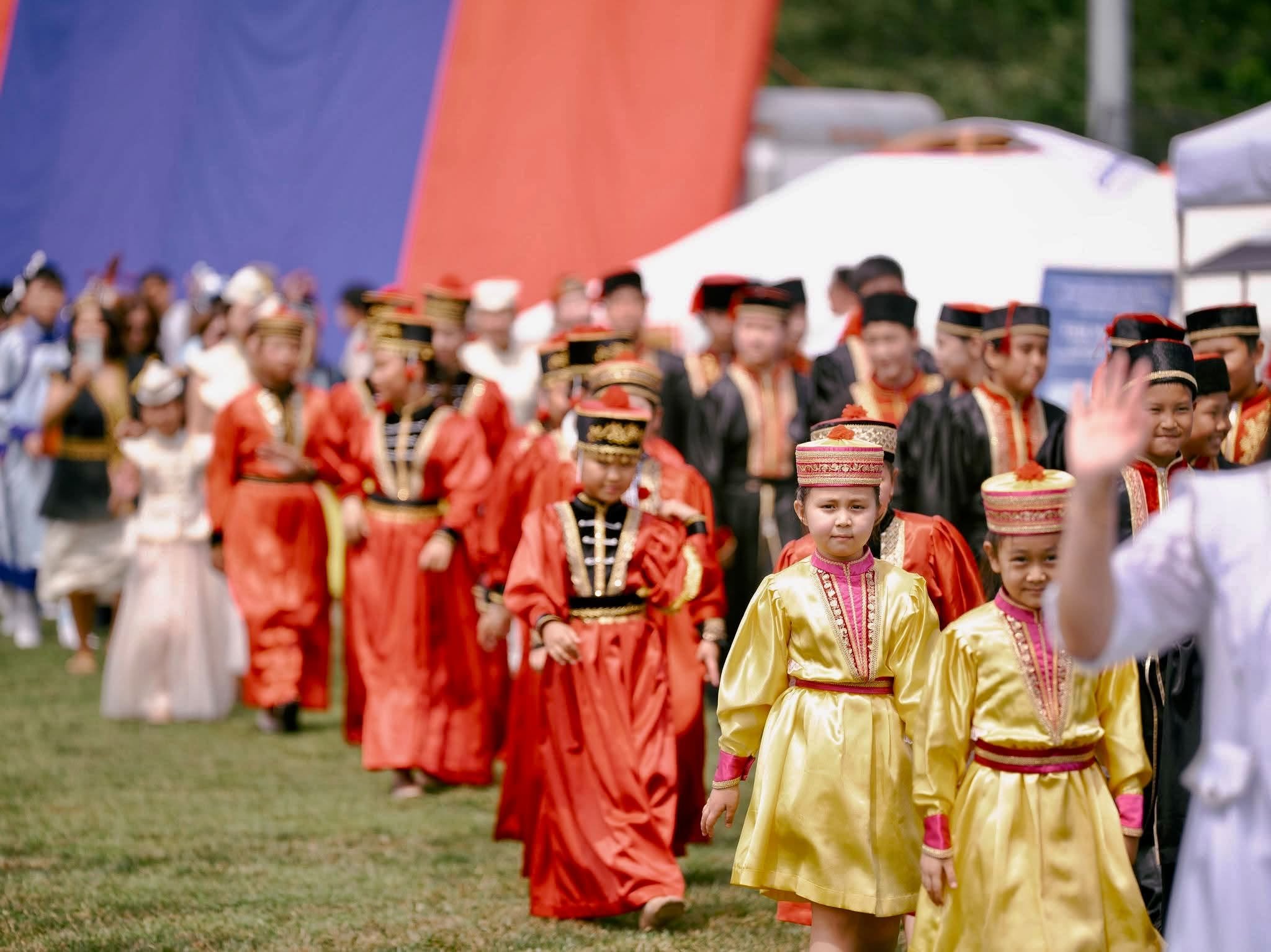
Kalmyk Heritage Center Community Participates in the 2026 Washington, D.C. Area Naadam Festival
Kalmyk Heritage Center performers and community members participated in the 2026 Washington, D.C. Area Naadam Festival in Arlington, Virginia. View photos.
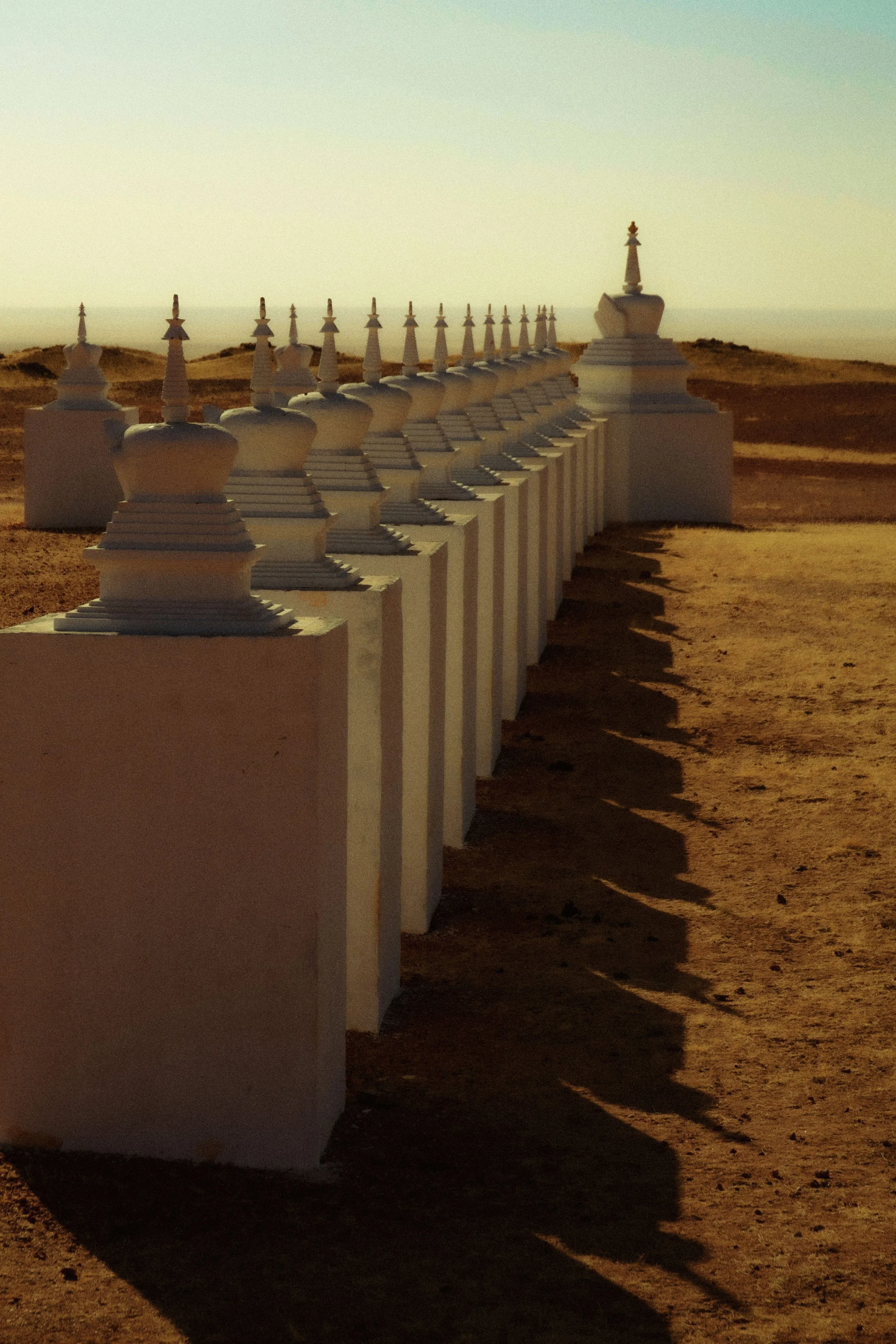
What is the Difference Between Kalmyks, Oirats, and Mongols?
For anyone exploring the history of the Eurasian steppe, the terms "Mongol," "Oirat," and "Kalmyk" often appear interchangeably in historical texts. However, treating them as synonyms erases centuries of complex migration, political divergence, and unique cultural evolution.
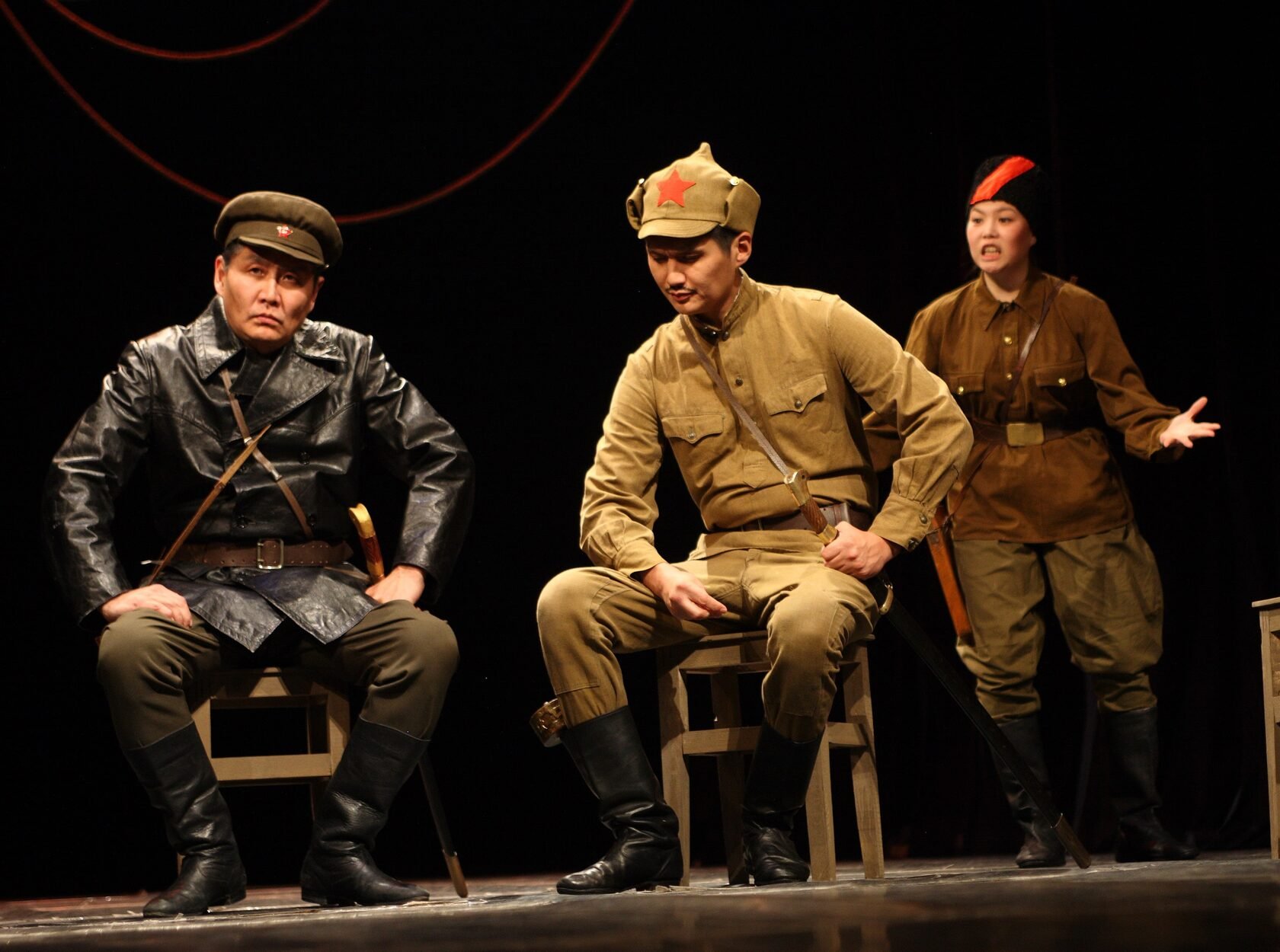
Preserving Identity in Exile: An Analysis of Sandzhi Balykov’s A Maiden’s Honor
This analytical article explores the historical and cultural significance of Sandzhi Balykov’s posthumously published novella, A Maiden’s Honor (Devichya chest'). Written in exile, the narrative serves as a literary monument to the Buzava (Don Kalmyks), blending Cossack military heritage with nomadic traditions. Discover the novella's core themes, including the Kalmyk concept of female honor, customary law, and the struggle for cultural preservation in the aftermath of the Russian Civil War.
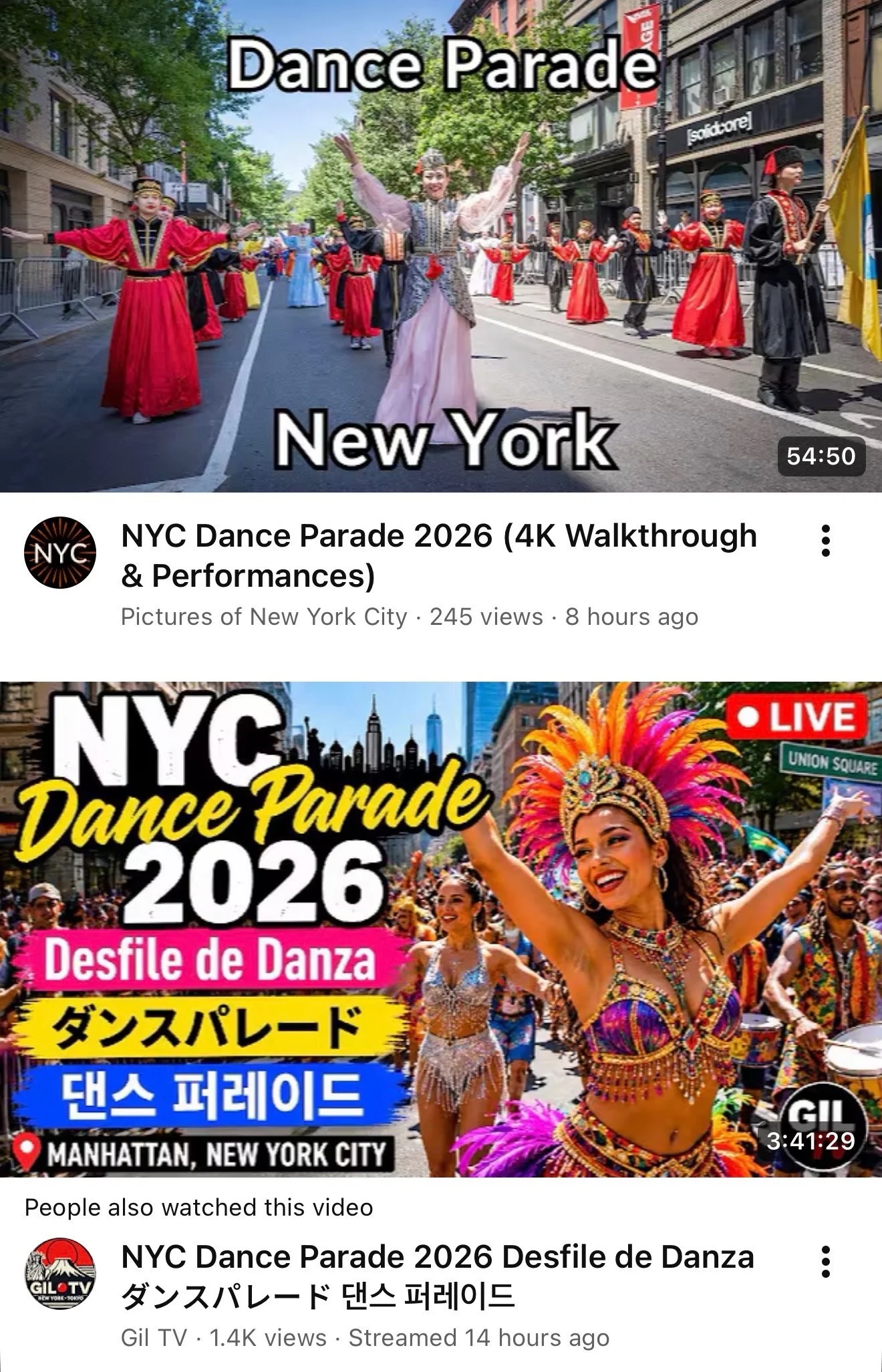
Kalmyk Dancers Bringing the Steppe Spirit to the Streets of Manhattan at the 20th Annual Dance Parade
The vibrant heartbeat of global culture echoed through the streets of New York City on Saturday, May 16, 2026, as thousands gathered for the spectacular 20th Annual New York City Dance Parade and Festival. Among the more than 10,000 dancers, musicians, DJs, and performers who transformed Manhattan into a living stage, the dancers of the Ensemble Teegin Ais proudly represented the rich heritage of the Kalmyk people.
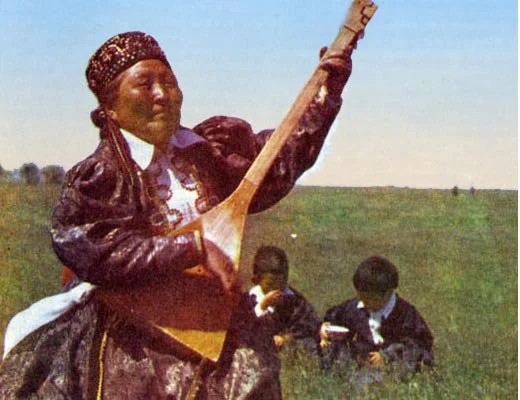
In Search of the Kibitka: The Enduring Soul of the Kalmyk Steppe
Discover how the spirit of the traditional Kalmyk yurt (kibitka) survives today through the epic Jangar, the Chichirdyg dance, and traditional Oirat crafts.
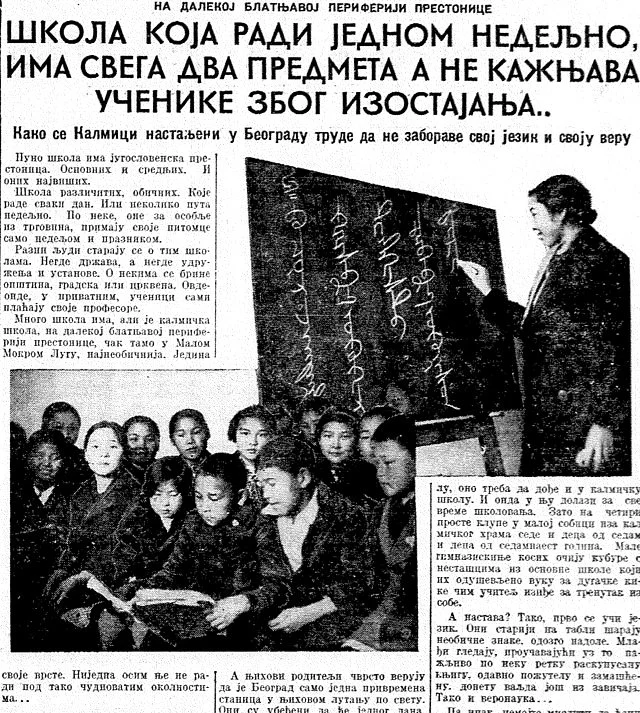
Crossing the Ocean: The Unbreakable Spirit of the Belgrade Kalmyk School
In 1939, on the muddy outskirts of Yugoslavia’s capital, a remarkable act of cultural survival was quietly taking place. Far from the steppes of their ancestors, a community of Kalmyk refugees gathered in the shadow of the Belgrade Khurul—the first Buddhist temple in Europe—to ensure their children would not forget who they were.
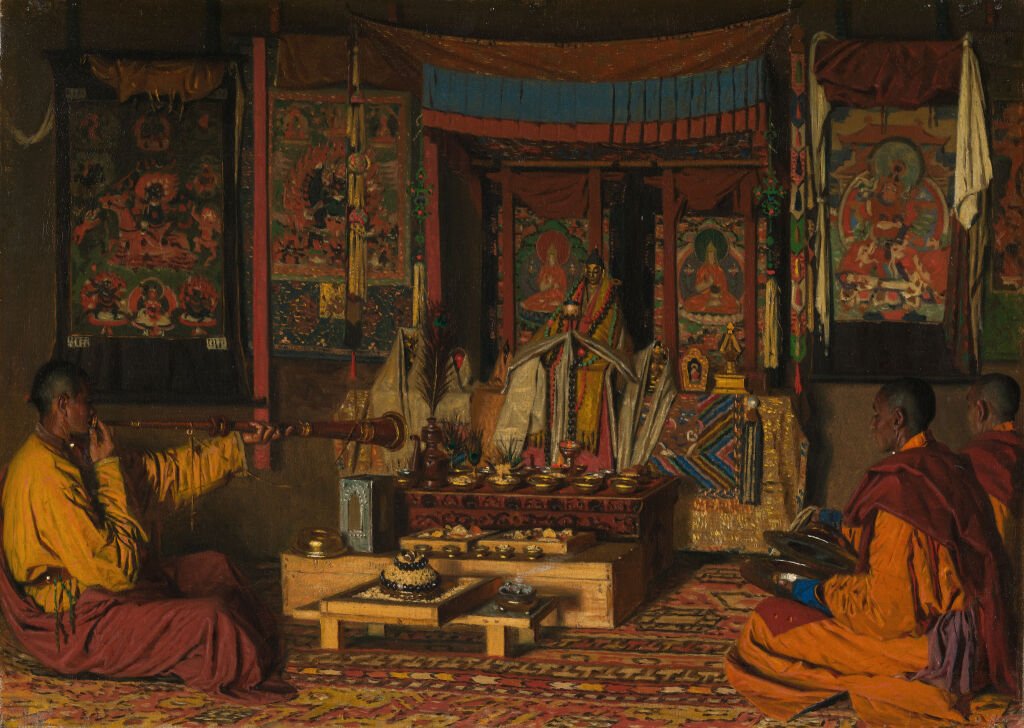
Capturing the Soul of the Steppe: The Kalmyk People Through the Eyes of Vasily Vereshchagin
Explore rare 19th-century sketches of Kalmyk people and Oirat lamas by Vasily Vereshchagin. Discover the history and traditions preserved in these masterworks.
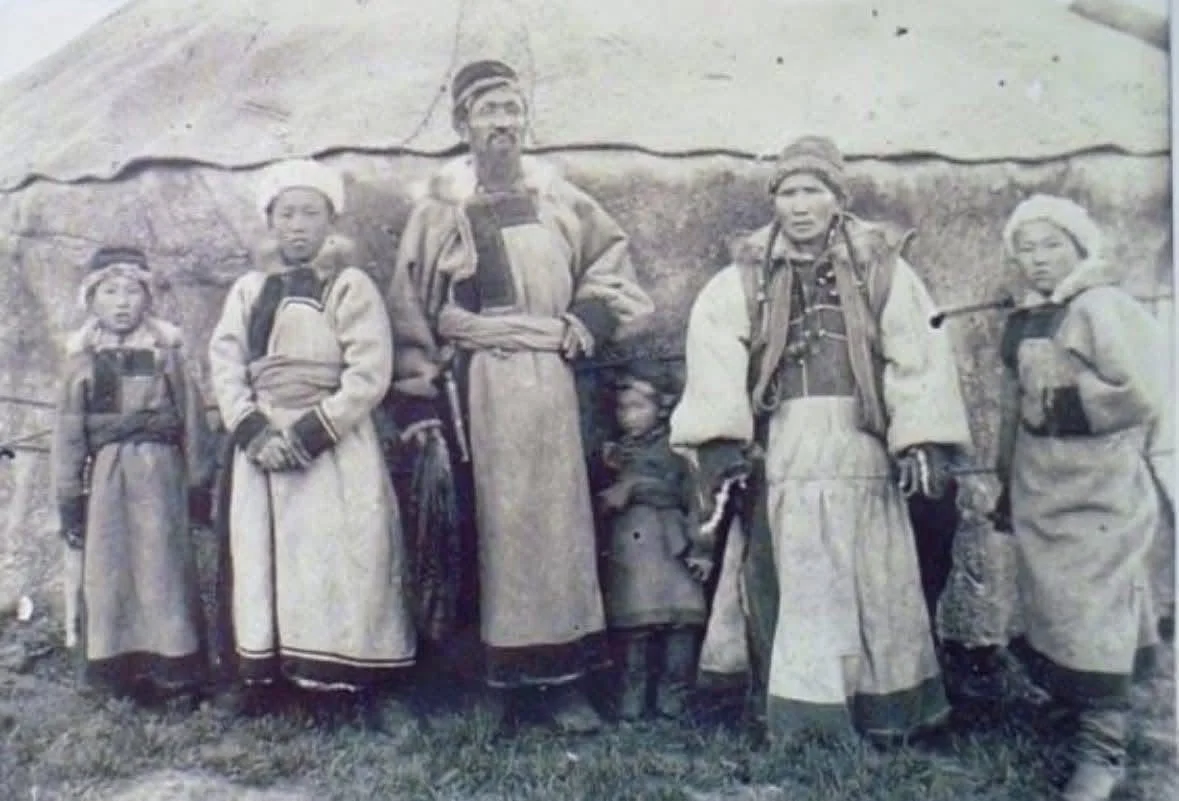
Voices from the Borderlands: The 1918 Altai Oirat Petitions to Bogd Khan
Recently translated from the traditional Mongolian script to Cyrillic by Doctor of History B. Natsagdorj, the following letters from 1918 offer an extraordinary glimpse into the geopolitical struggles and enduring cultural identity of the Altai Oirats (Telengits) following the collapse of the Qing (Manchu) dynasty.
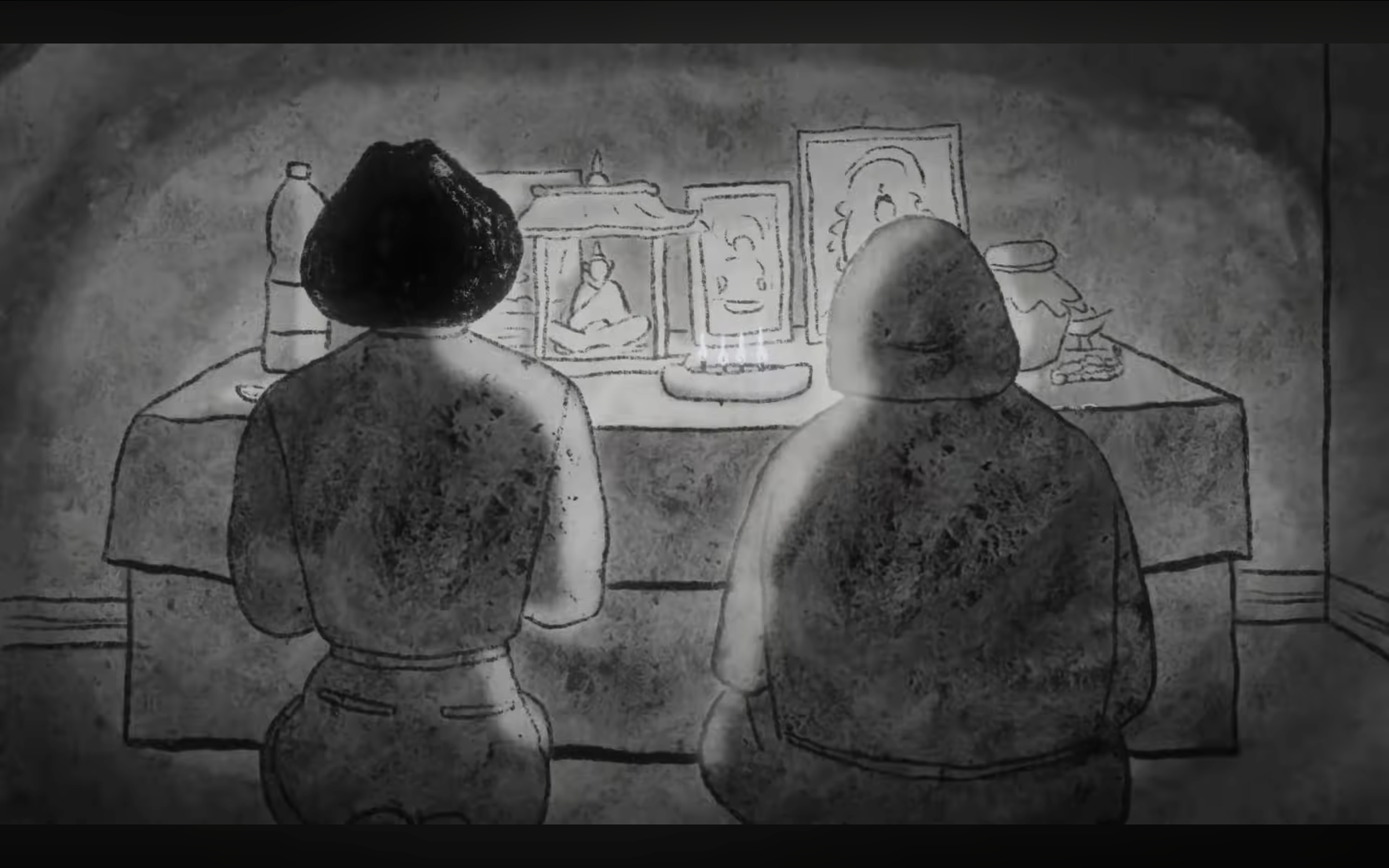
Eejin Dun (Mother’s Song): A Journey Through Memory and Heritage
The Kalmyk Heritage Center celebrates "Eejin Dun" as a vital piece of minority heritage preservation. By using modern animation to tell a story about the Kalmyk language and traditional prayer, Sarina Shurganova and her team (Screenwriter Andrey Sizov, Composer Anton Smirnov, and Sound Designer Viktor Romanov) are ensuring our traditions reach a global audience.
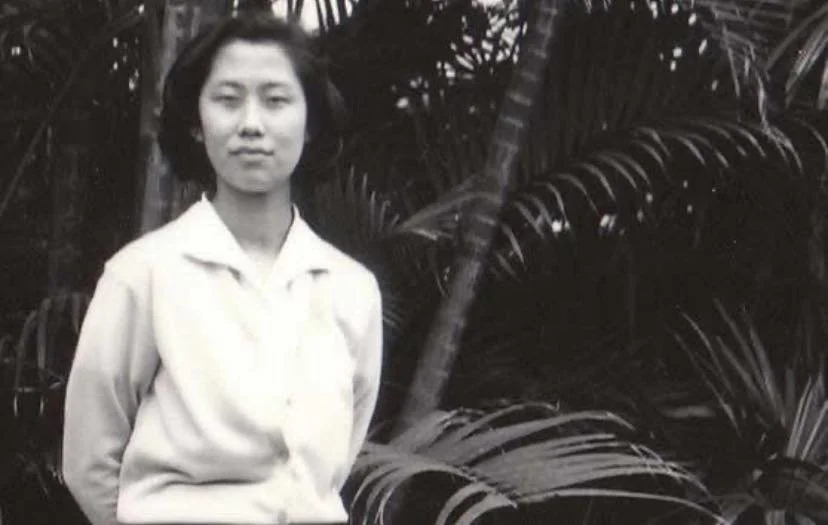
A Living Lineage: Remembering Torghut Princess Deveenyamuu
Discover the incredible lineage of the late Princess Deveenyamuu, tracing Oirat Mongolian history from modern America back to Ubashi Khan and the era of Genghis Khan.
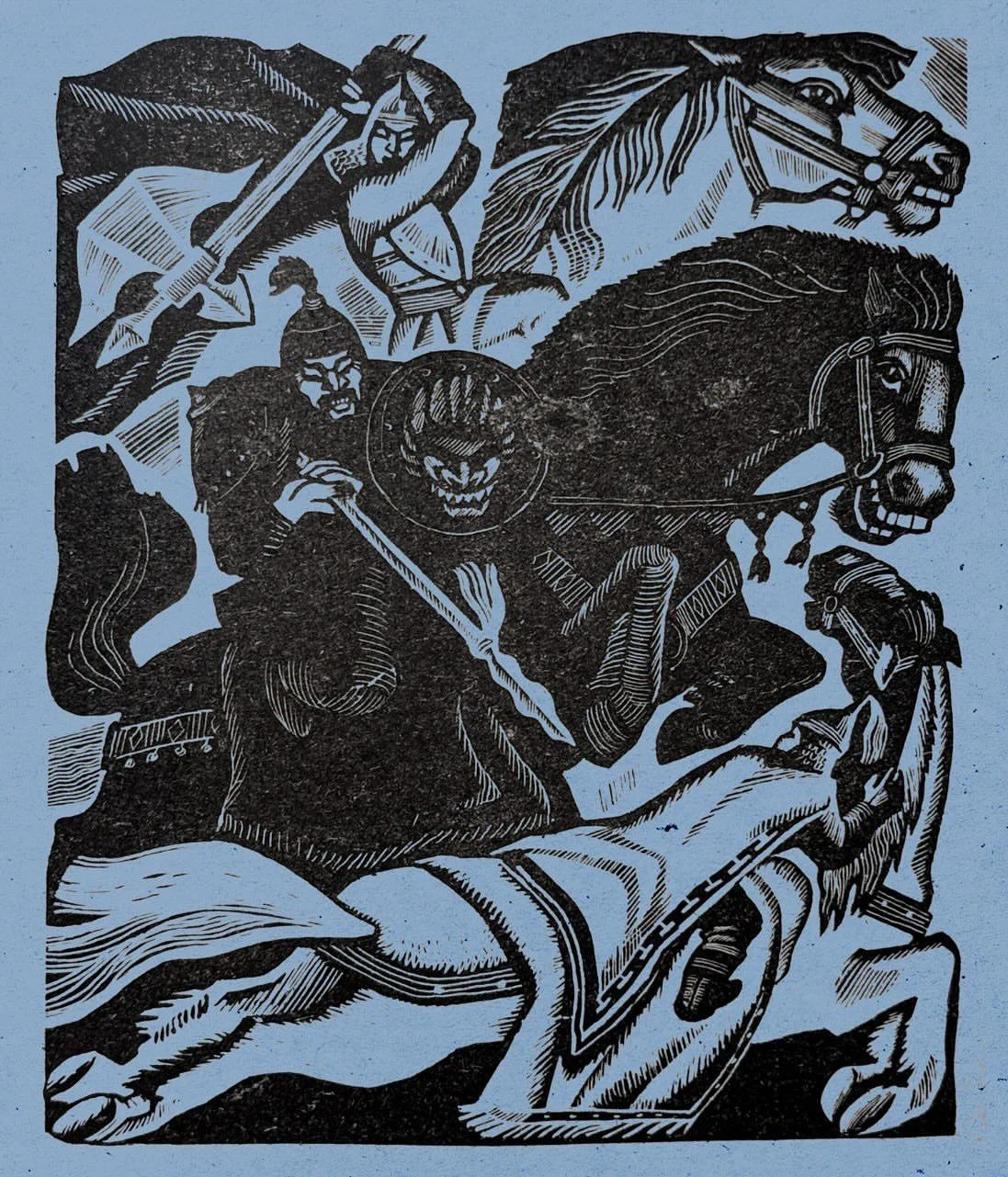
Preserving the Epic of Jangar: The Enduring Power of Linocut Art in Kalmyk Storytelling
The illustrations come from a book that presents a concise retelling of the songs of the Kalmyk epic Jangar, a cornerstone of Kalmyk oral tradition that celebrates heroism, loyalty, and the mythical land of Bumba. Created by artists S. M. Popenko, V. M. Kulikov, and E. E. Sangadzhiev, the visual interpretations complement the narrative by distilling its grand themes into striking, symbolic imagery. Published by the Kalmyk Book Publishing House in 1997, the volume reflects both a reverence for cultural heritage and an effort to make the epic more accessible to modern audiences.
The illustrations were executed using the linocut technique, a printmaking process that involves carving a design into a sheet of linoleum. Once the surface is cut, ink is applied to the raised areas and transferred onto paper using a press, producing bold contrasts and clean, graphic lines. This method lends itself particularly well to the epic’s dramatic tone, emphasizing movement, texture, and form through its stark visual language. The resulting images carry a sense of both craftsmanship and immediacy, echoing the enduring power of the Jangar tradition itself.
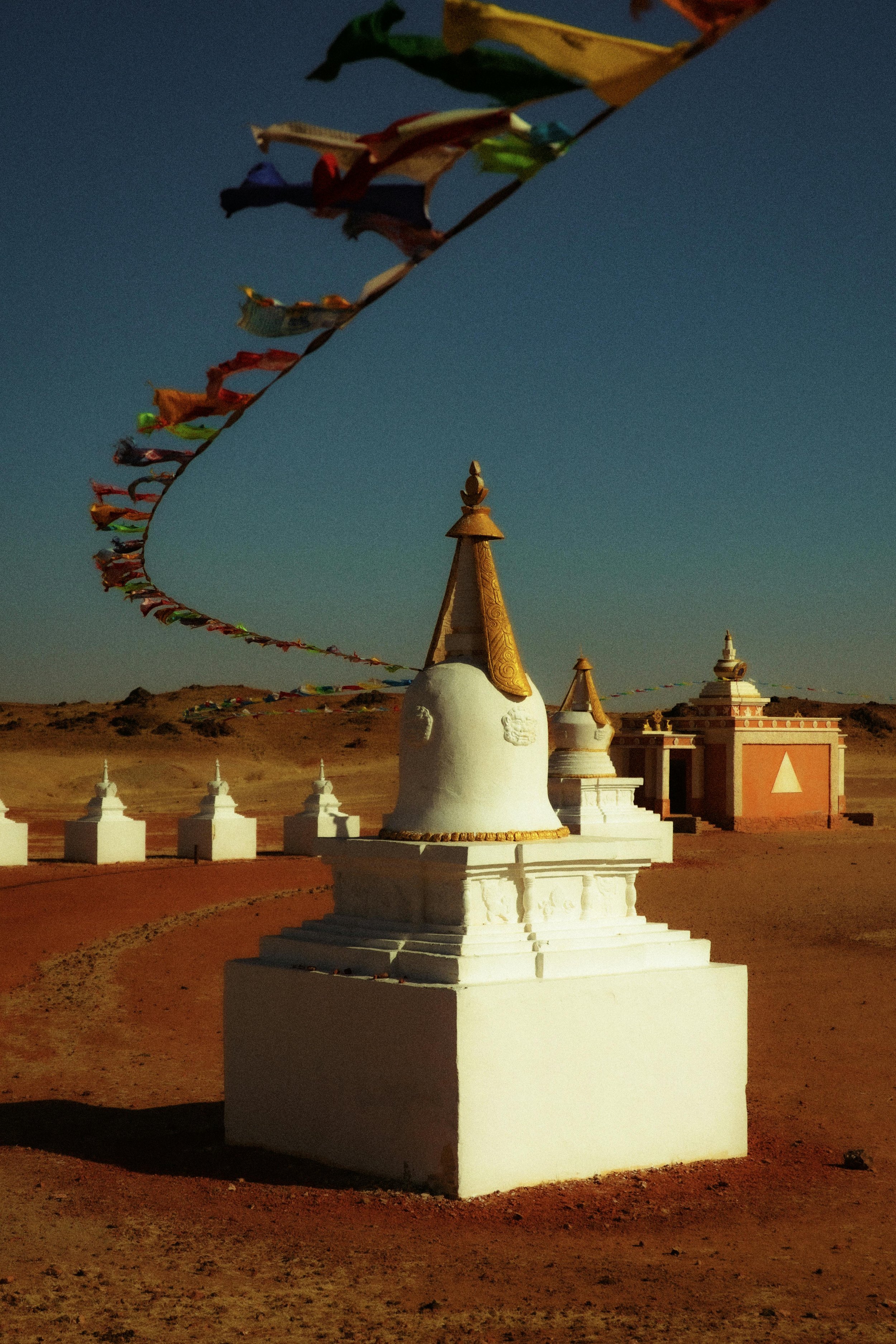
Who Are Kalmyks And Where Do They Come From?
We are a Western Mongol people who migrated from Central Asia to the lower Volga region of Europe in the 17th century, establishing the sovereign Kalmyk Khanate before being absorbed into the Russian Empire following a mass exodus of their population back to China in 1771.
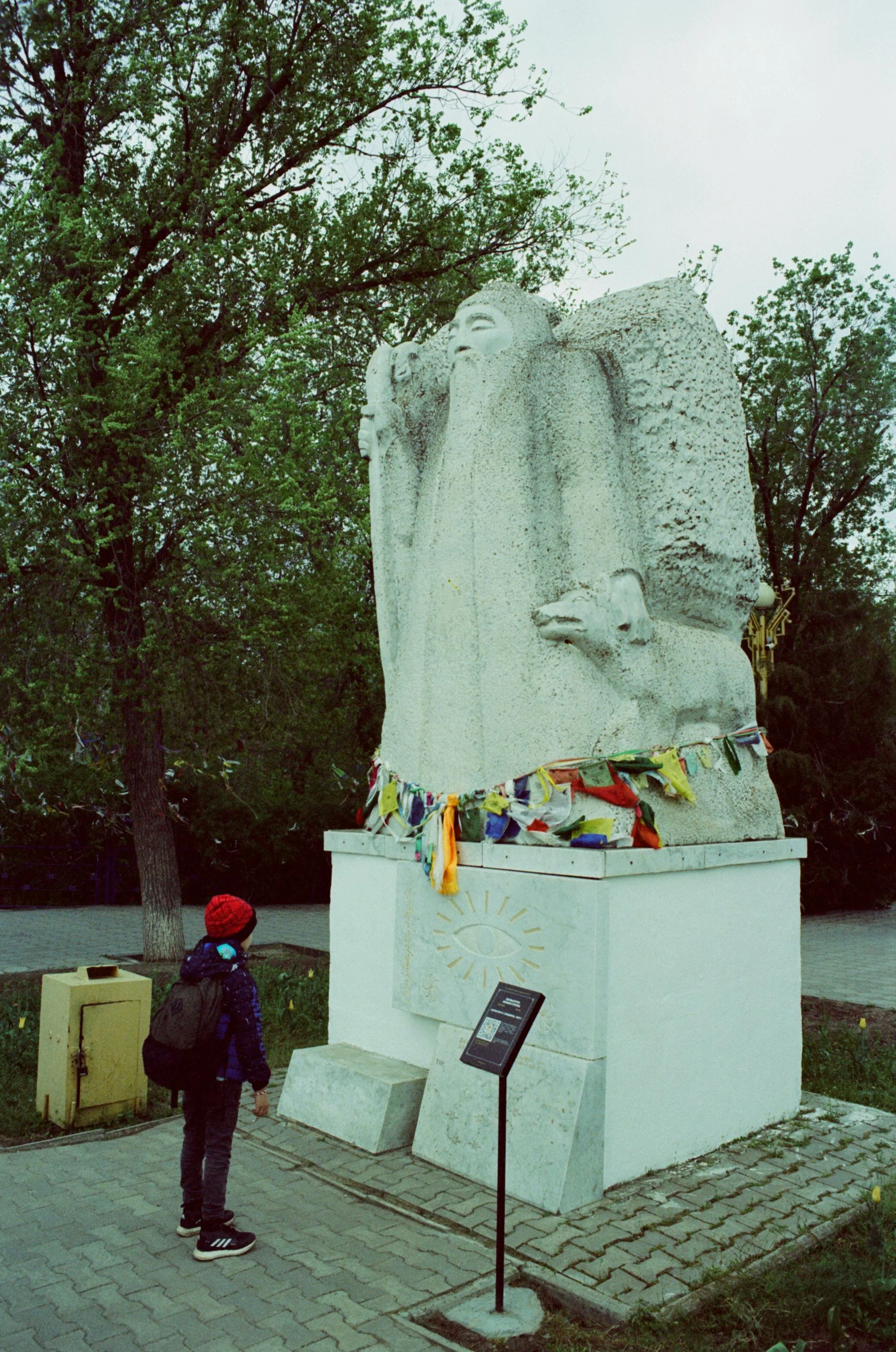
Resilience Through the Centuries: Kalmyk History in the 20th Century
This article is a summary of the book called “History of Kalmykia from Ancient Times to the Present Day. Volume 2”, published in 2009 by the Russian Academy of Sciences and the Kalmyk Institute of Humanitarian Research. This book covers the history of Kalmykia from the late 19th century through the end of the 20th century. It provides a detailed, comprehensive analysis of the intense social, political, and economic transformations the Kalmyk people experienced during a century of massive upheavals in Russia.