Voices from the Borderlands: The 1918 Altai Oirat Petitions to Bogd Khan
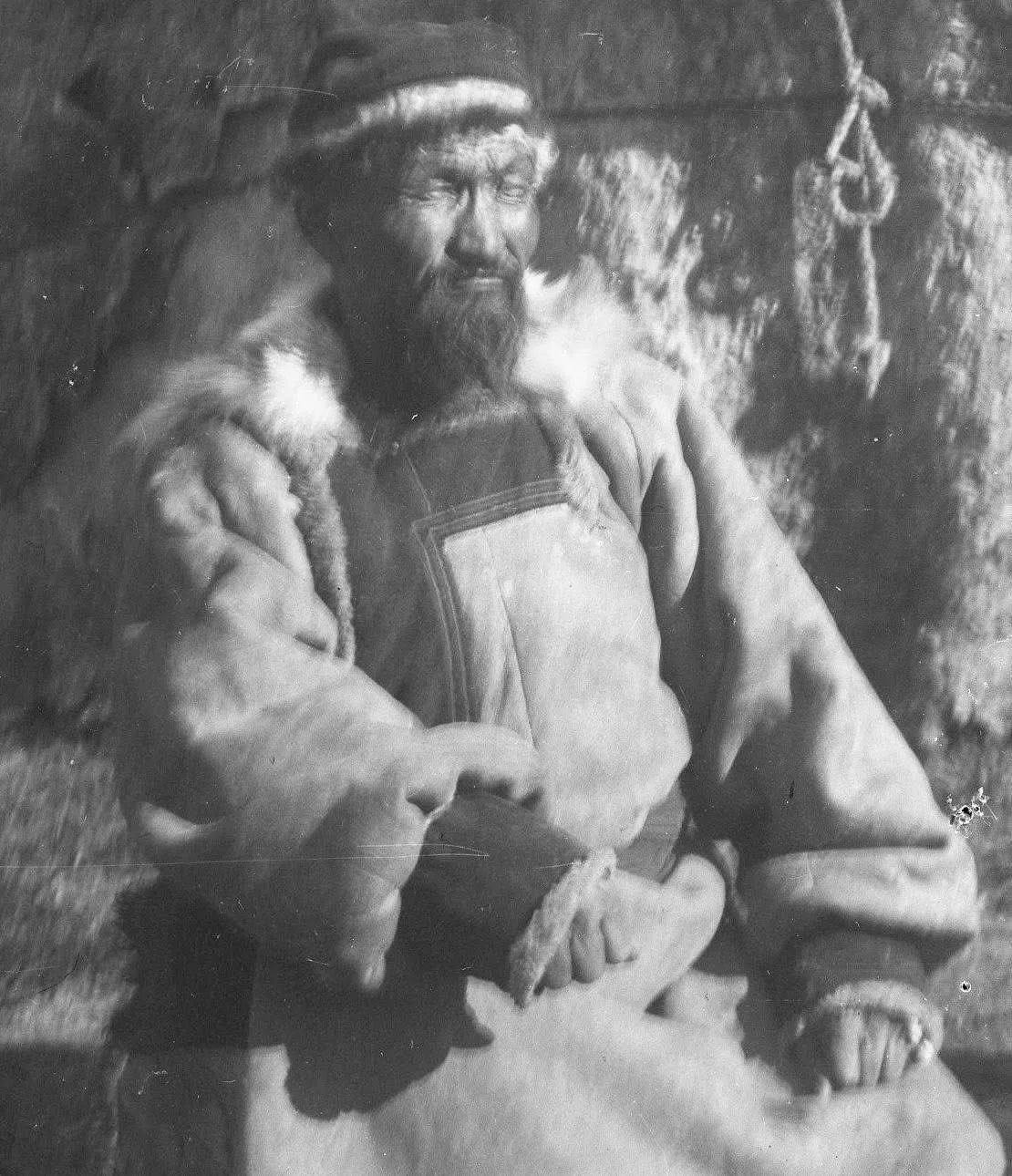
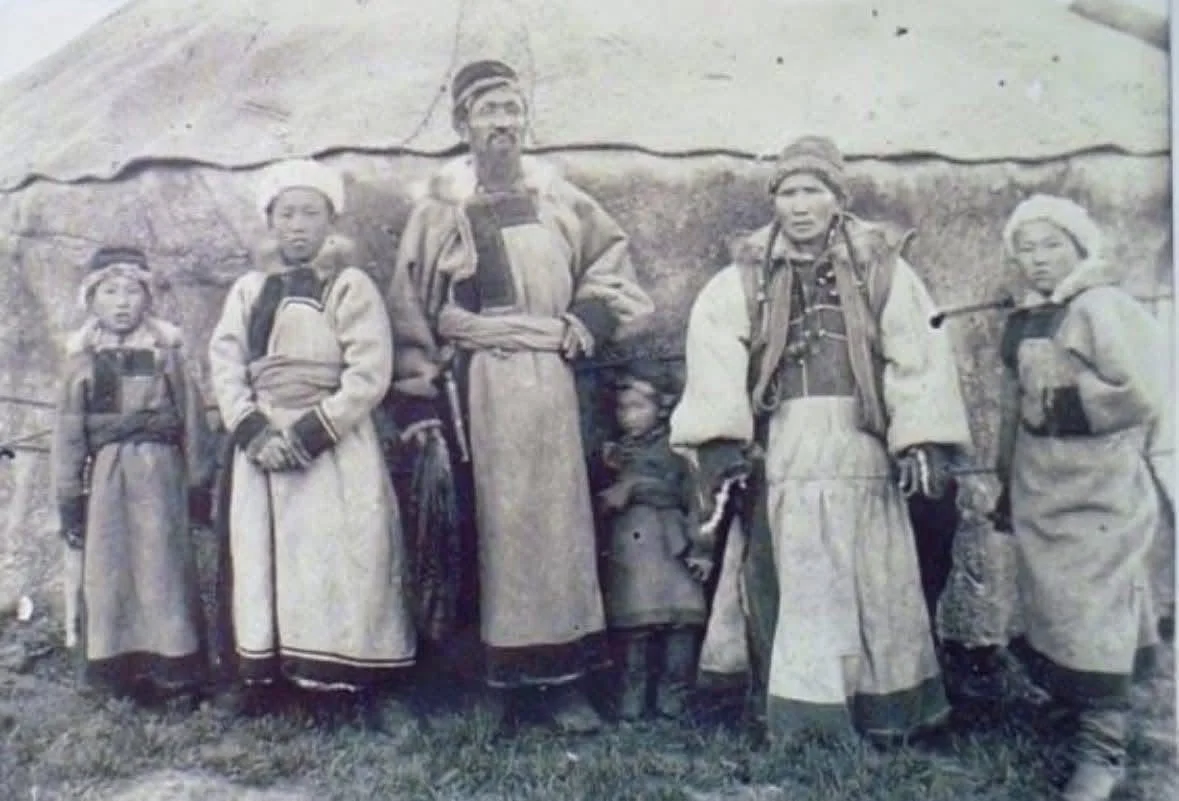
In photo: Mr. Argamai ZaisanAt the Kalmyk Heritage Center, a core pillar of our cultural heritage preservation is the translation and archiving of primary historical documents. Through these texts, the complex, sweeping history of the Oirat Mongolian people is brought to life.
Recently translated from the traditional Mongolian script to Cyrillic by Doctor of History B. Natsagdorj, the following letters from 1918 offer an extraordinary glimpse into the geopolitical struggles and enduring cultural identity of the Altai Oirats (Telengits) following the collapse of the Qing (Manchu) dynasty.
The Historical Context: A Fractured Empire
By 1918, the political landscape of Central Asia was shifting dramatically. The Qing Dynasty had fallen, the Russian Empire was engulfed in revolution, and Bogd Khan had established an independent Mongolian state.
Caught in the rugged borderlands between Russia, China, and Kazakh territories, the Altai Oirats found themselves navigating immense pressure. The letters below, addressed to the "royal main office of Chinggis Bogd khan," are a formal plea for reunification with the Mongolian state, revealing the deep ancestral ties that survived centuries of displacement.
Document 1: The Demographic Snapshot by Argamai
In a letter from Argamai, the chairman of the Telenge Oirad conference, we are given a stark, meticulous census of a displaced people.
Argamai documents the tragic history of the Oirats following the fall of the Dzungar Khanate, noting how "the first Chinese soldier came and broke the state," followed by Kazakh and Russian incursions. Yet, amidst the displacement, he provides an incredible snapshot of their resilience:
A Population Count: Documenting two ethnic groups comprising 28,666 men and women.
A Pastoral Economy: Listing "horses one bum one tum (110,000), cows nine tum (90,000), sheep one bum three tum (130,000)," alongside camels, goats, and even 150 pet deer.
Document 2: The Legacy of Amursana by Gudaibergen
The second letter, from Gudaibergen, head of the Telengeed aimag, draws a direct line from the 20th century back to the mid-18th century.
He writes, "Since we separated from Amarsanaa, we have been supplying... services until the collapse of the Manj government." Amursana was the last great leader of the Dzungar Khanate. By invoking his name over 150 years later, Gudaibergen demonstrates the unbroken historical memory of the Oirat people. His letter is a powerful declaration of unity, stating that the "Mongolian surname is following the time of the sky," as they seek to bring their people back into the fold of the Bogd Khaan's cultural and spiritual leadership.
The "Halima" Connection: Defining the Kalmyk Identity
One of the most significant revelations in Argamai’s letter is his explicit use of the term "Halima" (Kalmyk). He writes: “We... were named Halima in Inu Khasag, and Altai Halima in Russia.” This is a critical piece of historical research and cultural awareness. It proves that while the ancestors of the Volga Kalmyks migrated west in the 17th century, the Oirats who remained or were displaced in the Altai region were also identifying—or being identified by their neighbors—as "Halima." For the Kalmyk Heritage Center, this document serves as primary evidence that our heritage is not confined to one geographic border, but is part of a larger "Altai Halima" and "Volga Halima" continuum that spans across Central Asia and Europe.
The Dzungar Legacy: A Shared History of Resistance
The letters mention "separating from Amarsanaa" and the "Four Oirat kings." These are not just names; they are the bedrock of Kalmyk and Oirat history.
Amursana was the final leader of the Dzungar Khanate, the fall of which led to the tragic scattering of Oirat tribes. By archiving these petitions, the Kalmyk Heritage Center honors the memory of those who stayed behind in the ancestral mountains while their kin moved toward the Volga. This text connects modern Kalmyks to their "lost" cousins in the Altai, reinforcing a shared lineage of resilience, nomadic diplomacy, and the preservation of Oirat Mongolian culture against the pressures of the Manchu and Russian empires.
From the Altai to America: The Living Diaspora
This document is essential for our cultural education and heritage programs because it mirrors the modern Kalmyk experience of displacement and the search for "reunification." Just as the Altai Oirats in 1918 sought to return to the "Bogd Khaan's culture" to protect their language and faith, the Kalmyk diaspora today works to preserve their identity in a globalized world.
By documenting the "horses, cows, and sheep" and the names of the 28,666 souls in Argamai’s census, we are performing a vital act of minority heritage preservation. We are showing that whether in the Altai in 1918 or in America in 2026, the impulse to record our numbers, our wealth, and our royal lineages is what keeps the Kalmyk nation from being "broken" by history.
Sources:
Primary Documents: Argamai, Chairman of the Telengit Oirat Conference (July 17, 1918), and Gudaibergen, Head of the Telengit Aimag. Petitions to the Bogd Khanate.
Translation: Translated from traditional Mongolian script to Cyrillic by B. Natsagdorj, Doctor of Historical Sciences (Түүхийн ухааны доктор Б.Нацагдорж).
Image Credit: Portrait of Argamai Zaisan Noyon sourced via taiz.mn.