Capturing the Soul of the Steppe: The Kalmyk People Through the Eyes of Vasily Vereshchagin
Vasily Vereshchagin was more than a world-renowned battle painter; he was a meticulous ethnographer. During his travels in the 1860s and 1870s, he sought to document the authentic lives, spiritual practices, and traditional attire of the peoples he encountered. For the Kalmyk Heritage Center, his sketches and paintings are invaluable windows into Oirat Mongolian culture of the 19th century.
These works serve as a masterclass in historical research and cultural awareness, preserving the visual identity of our ancestors with striking realism and respect.
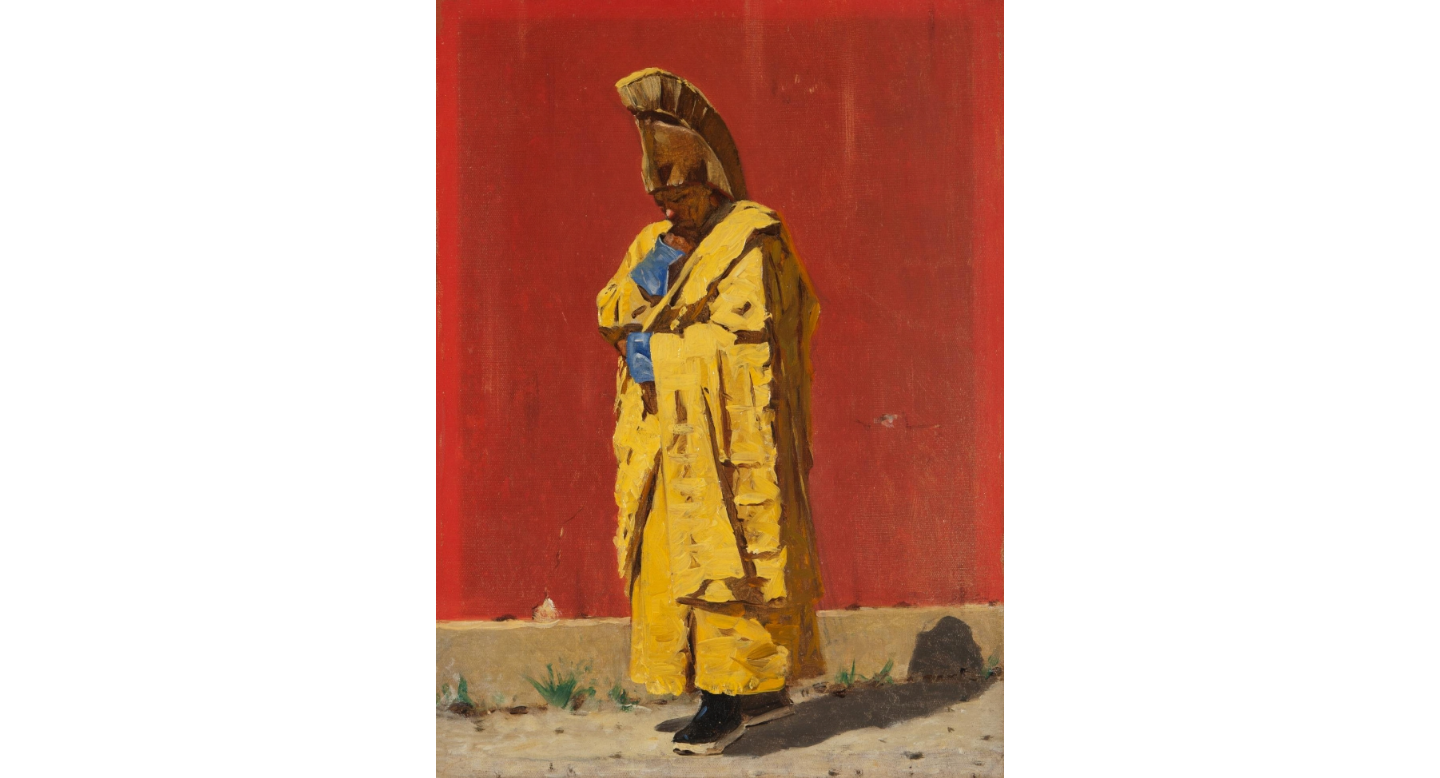
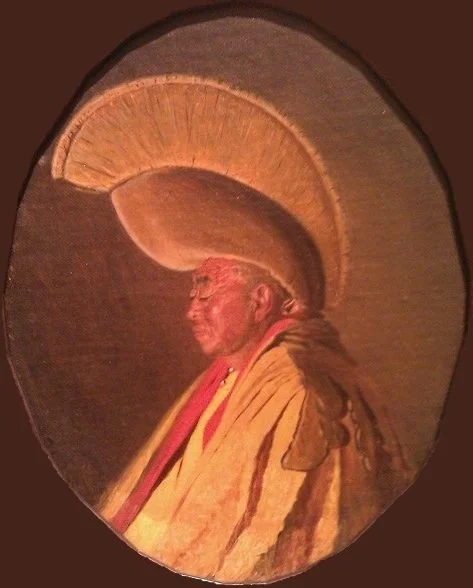
Featured Works:
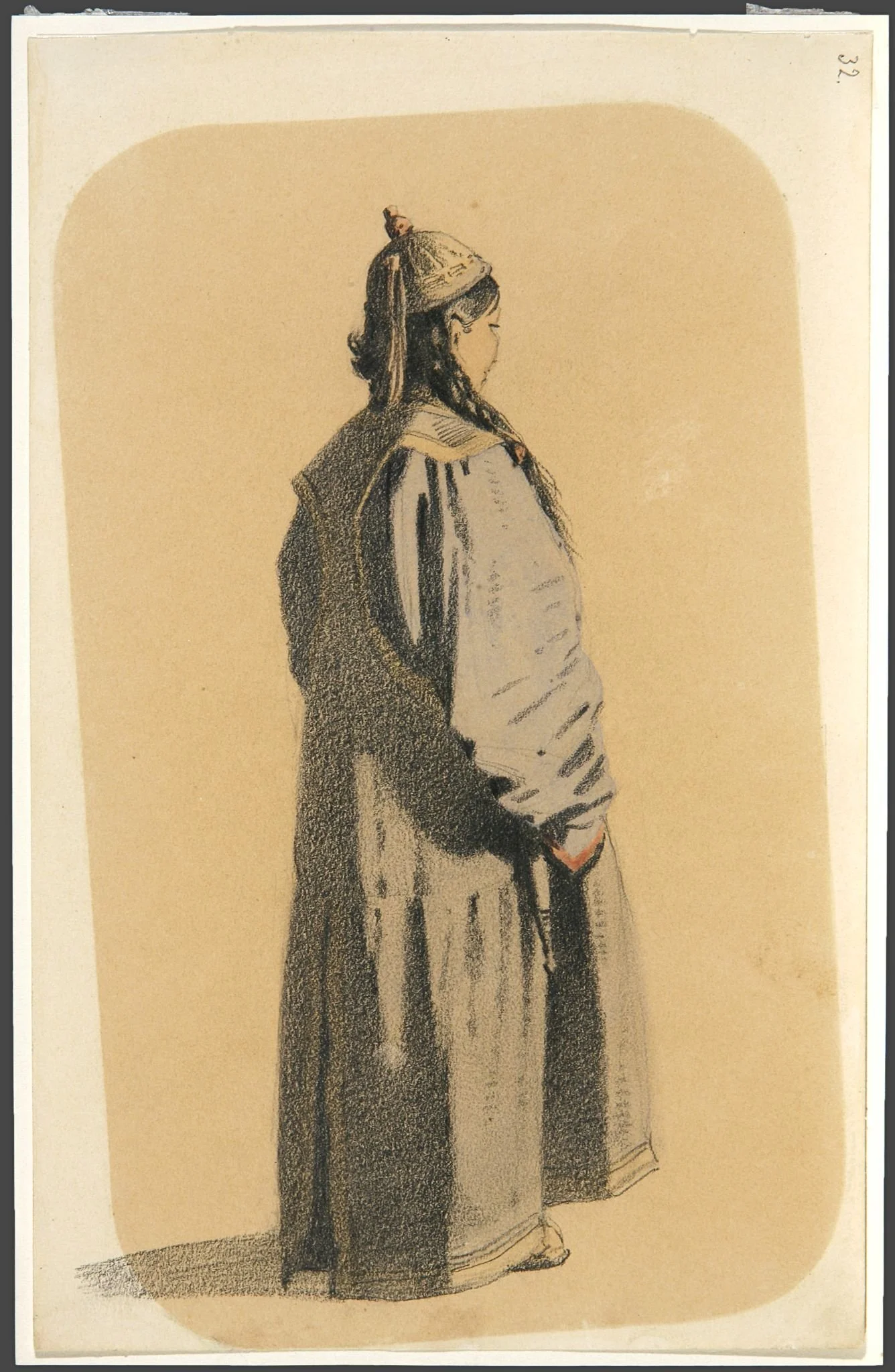
Oirat Woman in National Costume (Late 19th Century): A detailed study of traditional silhouettes and ornamentation, capturing the elegance and structure of the historical Oirat dress.
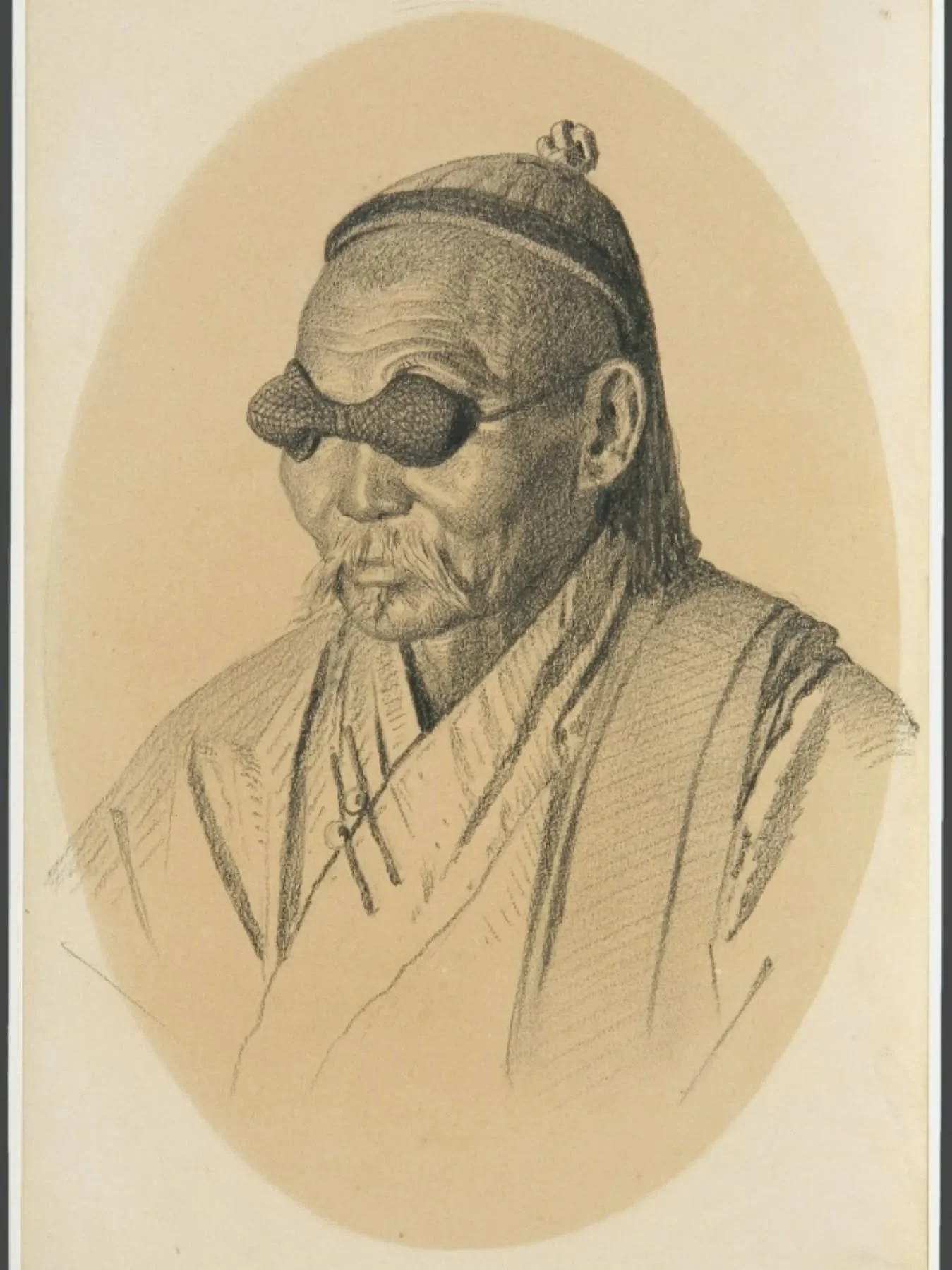
Oirat Lama in Protective Eyewear (Late 19th Century): A rare and fascinating glimpse into traditional medical practices. These "goggles" protected the healer's eyes, and the portrait highlights the intersection of spiritual status and scientific pursuit.
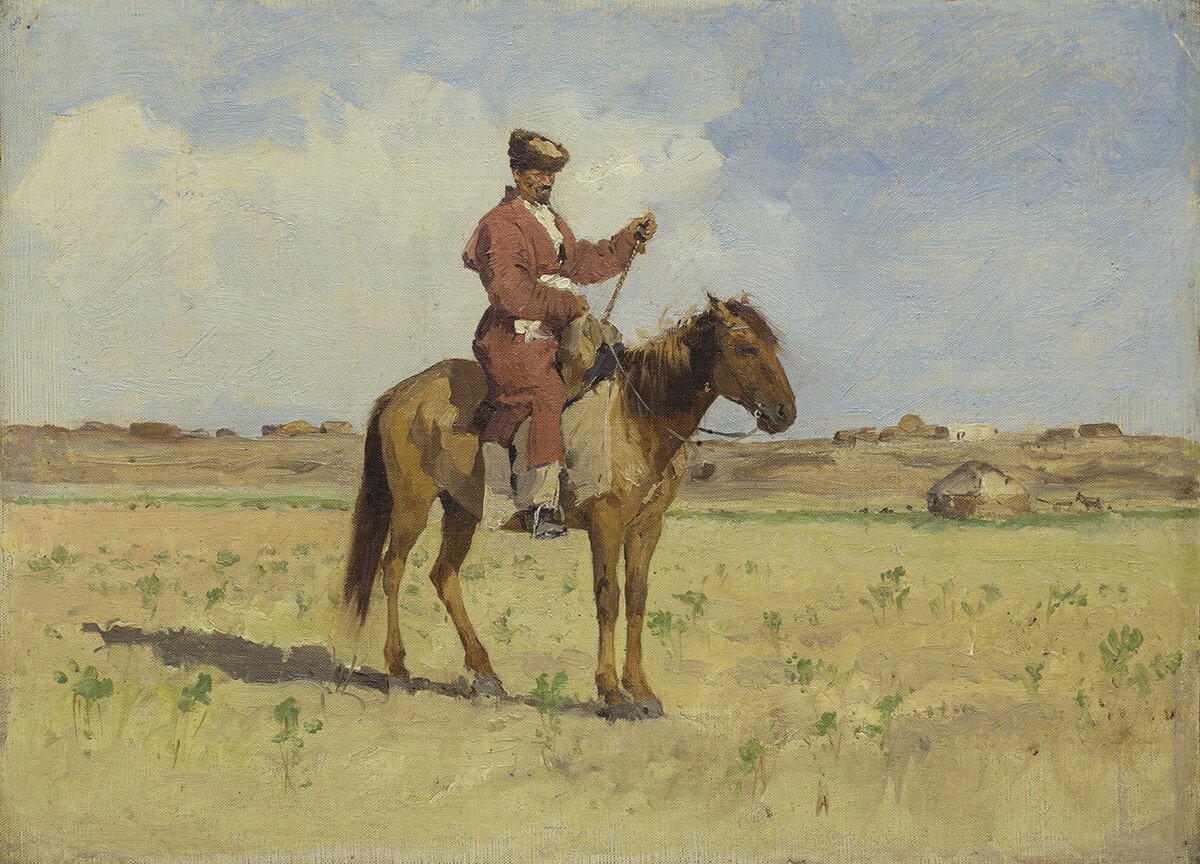
Kalmyk on a Horse in the Steppe (1869–1870): A quintessential image of nomadic life, emphasizing the inseparable bond between the Kalmyk person, their horse, and the vast Eurasian plains.
Kalmyk Lama (1869–1870): A soulful portrait from Vereshchagin's travels in Central Asia, focusing on the calm and spiritual depth of the subject.
Kalmyk Lama Studies (1873): Created during his second journey, these studies capture the fine details of monastic life and facial features, avoiding the "exoticized" tropes of the era in favor of true portraiture.
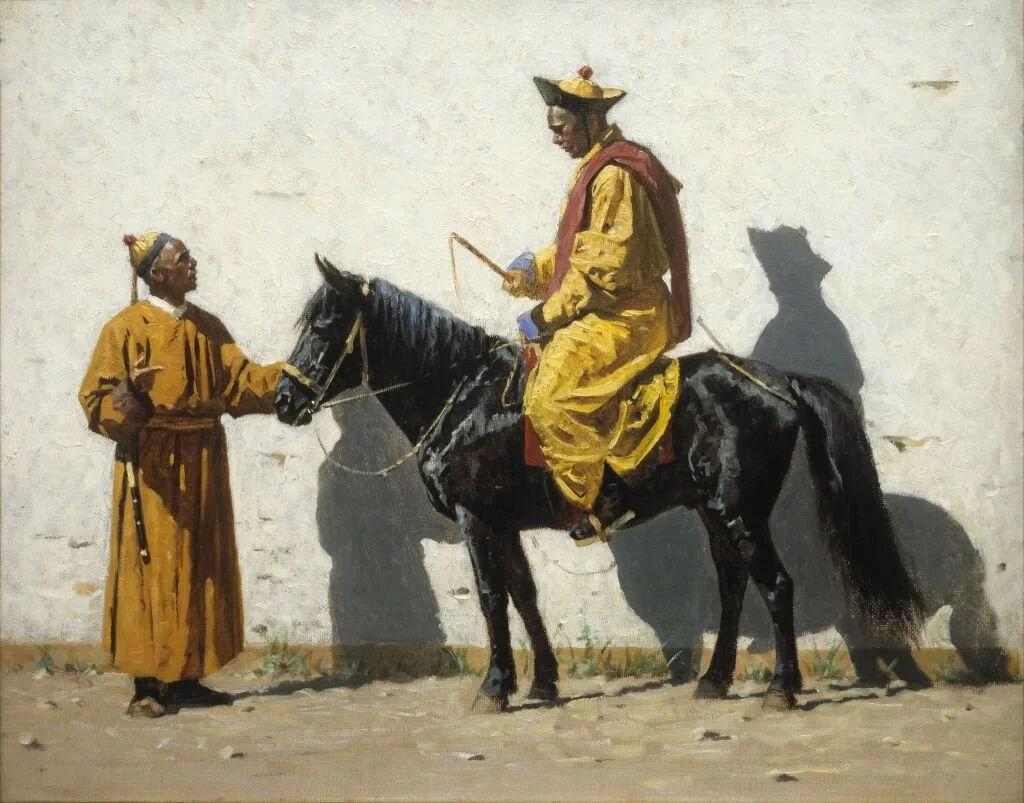
Oirat (Kalmyk) Lama in Ritual Headgear (1869–1870): This work provides critical data for our cultural heritage preservation efforts, allowing researchers to reconstruct the specific ritual attire used in 19th-century Buddhist ceremonies.
A Note on Heritage and Copyright
These works by Vasily Vereshchagin (1842–1904) are in the Public Domain, as the artist passed away more than 70 years ago. While they are free to share as part of our global cultural heritage, the Kalmyk Heritage Center presents them here with proper attribution to ensure their historical context is respected and preserved for future generations.
By studying these images, we continue our mission of minority heritage preservation, bringing the vibrant history of the Kalmyk people into the present day.