Who Are the Kalmyk People?
A People of Extraordinary History
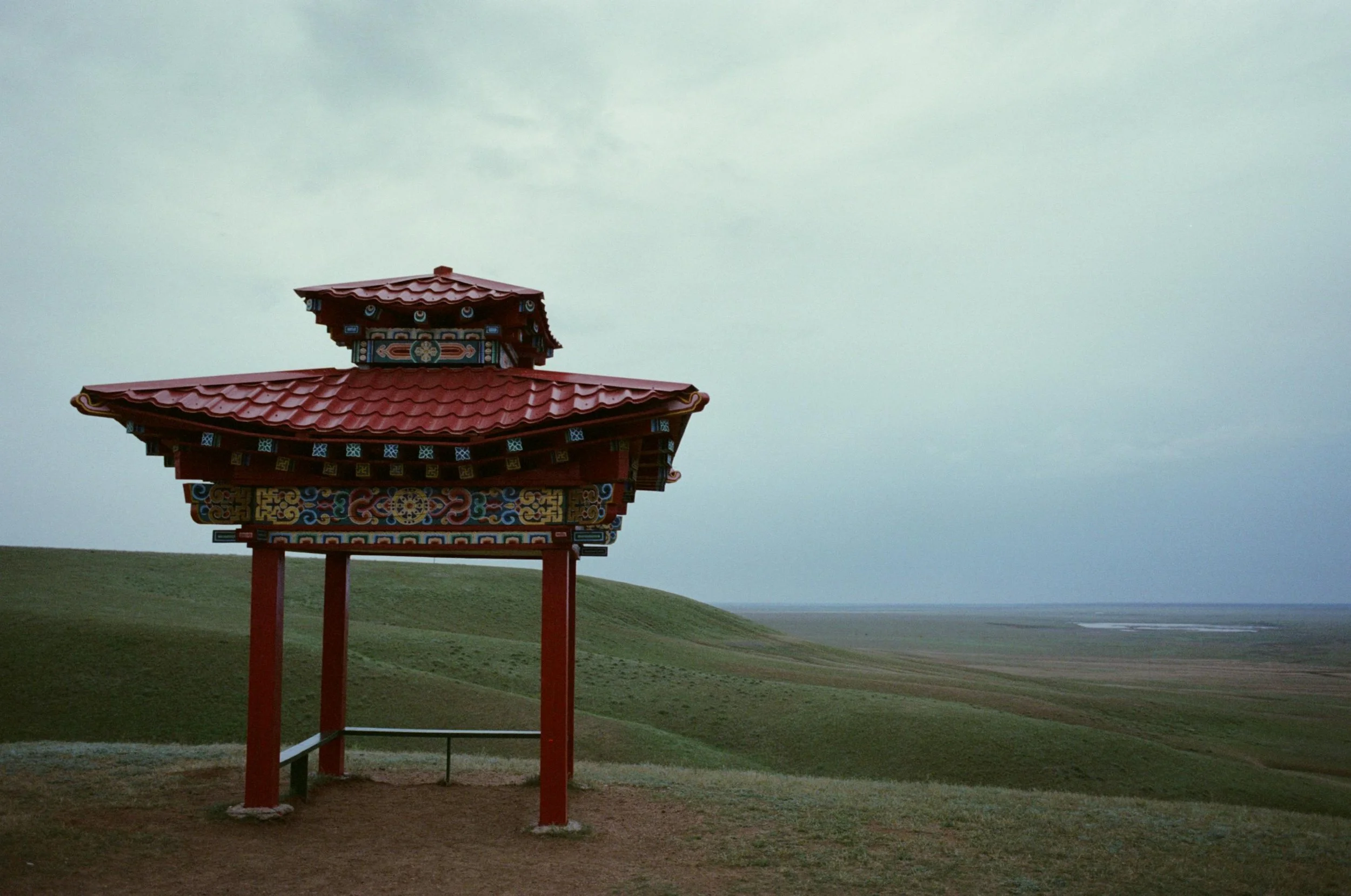
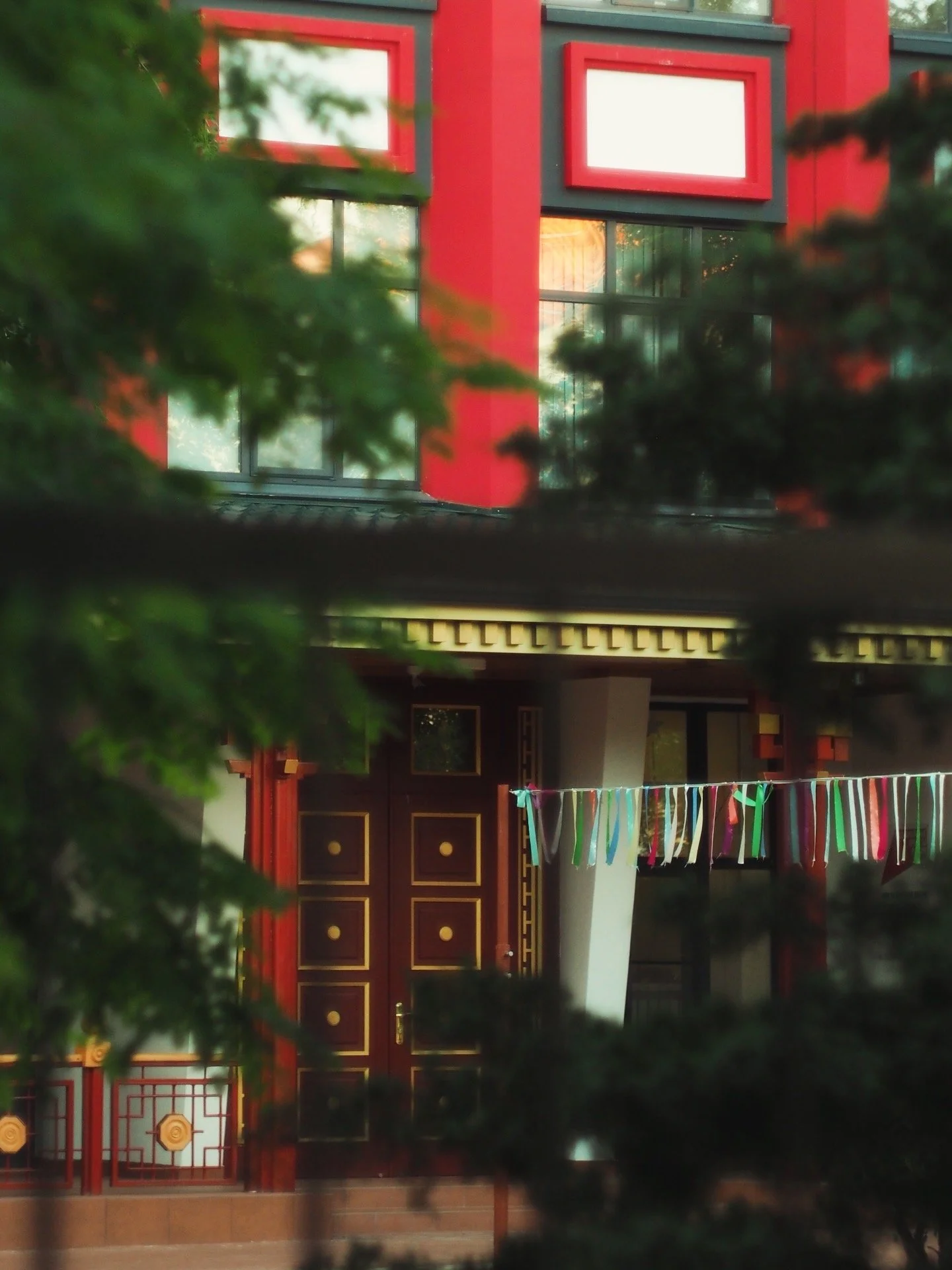
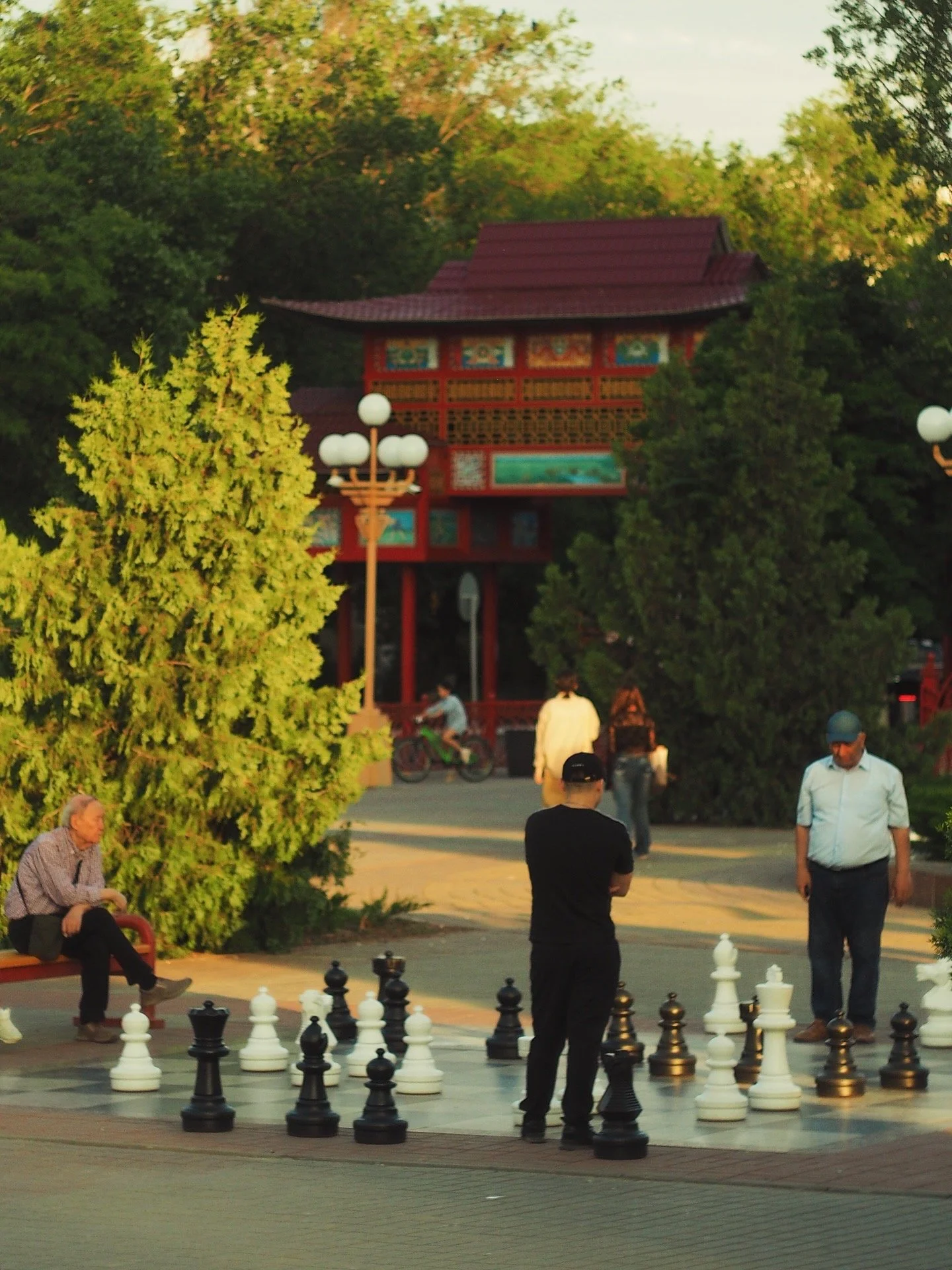
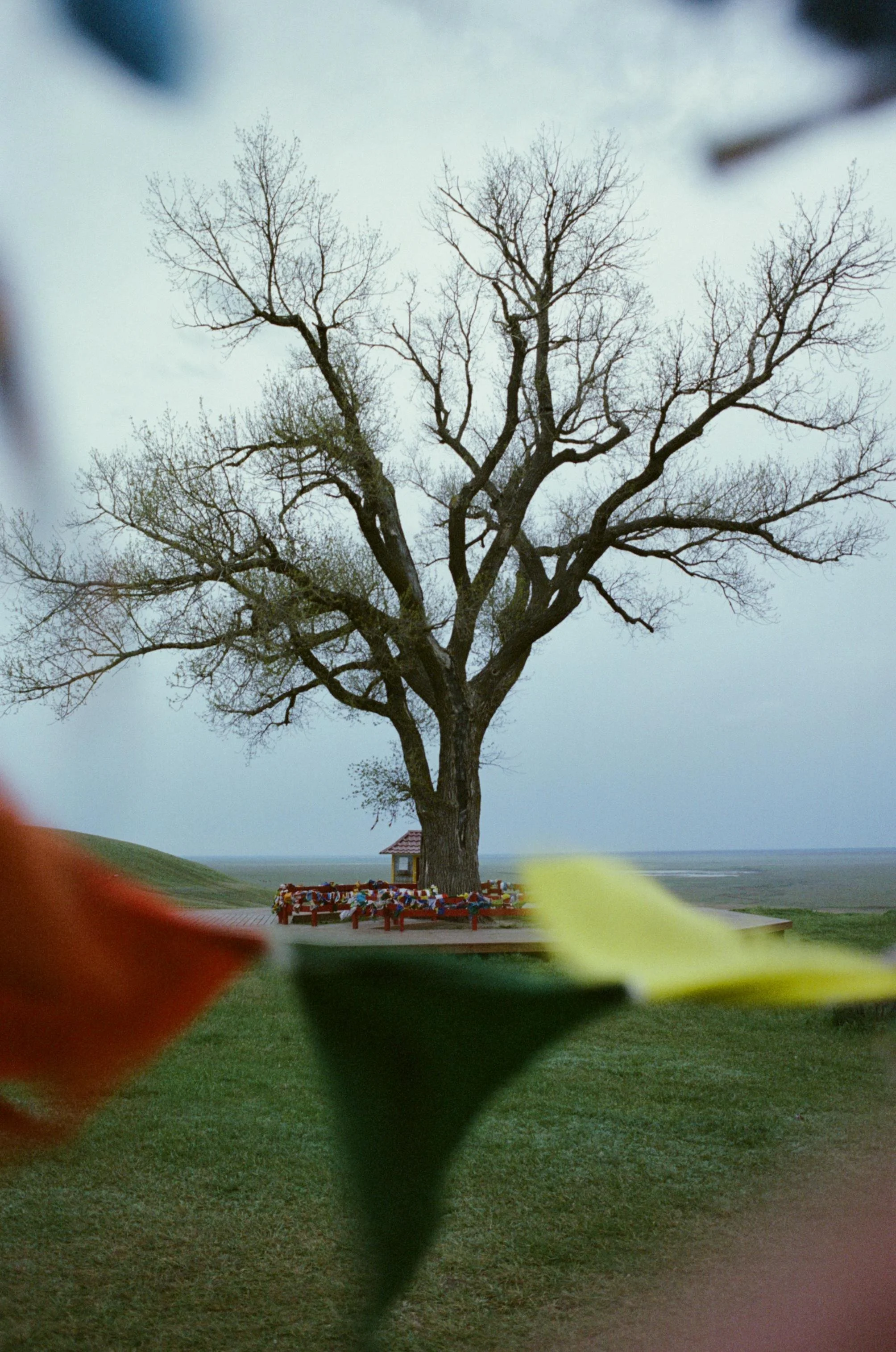
The Kalmyk people are a Mongolian-origin group with a history that spans continents, centuries, and extraordinary hardship. Descended from the Oirat tribes of Central Asia, the Kalmyks migrated westward in the 17th century, eventually settling in the steppes along the lower Volga River in what is now southern Russia. There, they established a powerful khanate and developed a rich, distinct civilization — a Buddhist people in the heart of Europe.
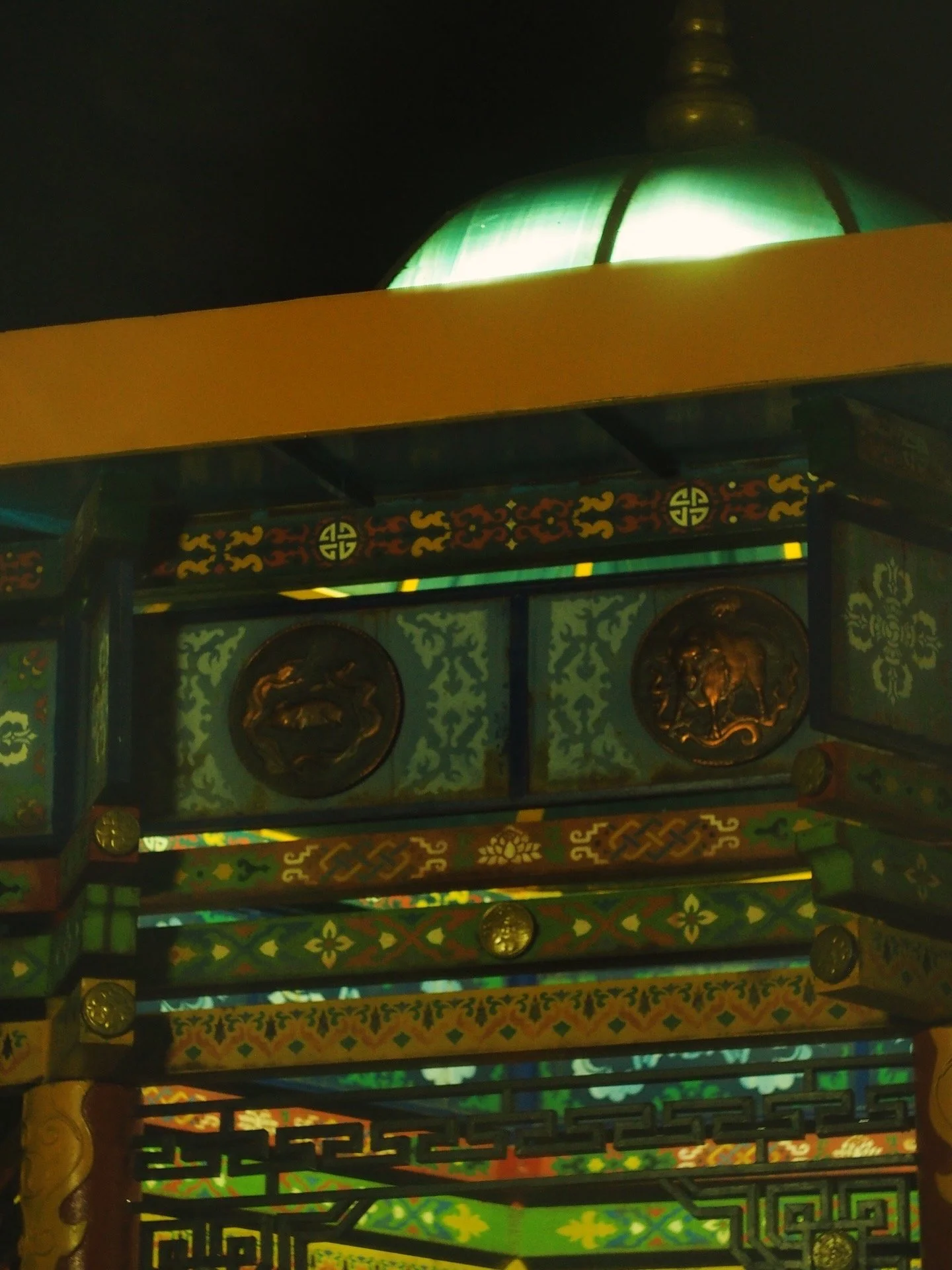
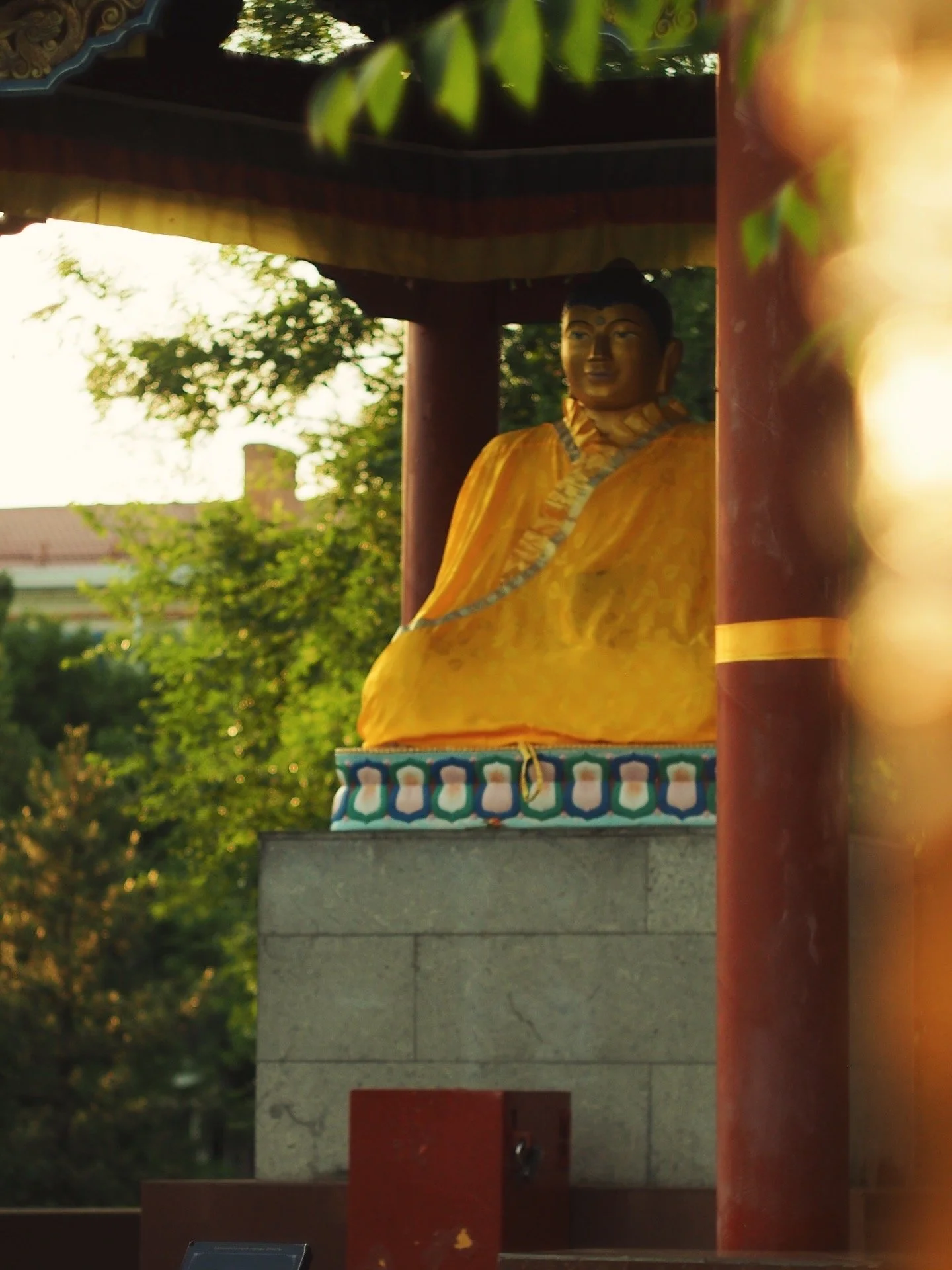
This makes the Kalmyks something remarkable and singular: the only people indigenous to Europe whose traditional religion is Buddhism. Their spiritual life, art, music, and worldview were shaped by Tibetan Buddhist traditions that they carried across thousands of miles and preserved through centuries of pressure to assimilate.
A Story of Survival and Diaspora
The 20th century brought devastating hardship to the Kalmyk people. In 1943, the Soviet regime under Stalin forcibly deported the entire Kalmyk nation to Siberia and Central Asia — an act of ethnic persecution in which tens of thousands perished from cold, starvation, and disease. The Kalmyk people were not permitted to return to their homeland until 1957.
Following World War II, a significant wave of Kalmyk refugees fled to the West, eventually finding refuge in the United States. Many settled in New Jersey and the greater New York area, forming close-knit communities that worked hard to keep their language, Buddhist faith, and cultural traditions alive in a new land. These communities — built by survivors and their descendants — are the foundation on which organizations like the Kalmyk Heritage Center stand today.
The Kalmyk Community in the US TodayToday, an estimated several thousand Kalmyks and their descendants live in the United States, primarily concentrated in New Jersey, New York, and Philadelphia. This community is small, proud, and at a cultural crossroads — young enough to still have living elders who remember the old ways, but facing the real risk of cultural erosion with each passing generation.
The Kalmyk Heritage Center in Brooklyn, NY exists to meet this moment. We serve as a cultural preservation nonprofit, a community gathering space, and an educational resource — for Kalmyks reconnecting with their roots, and for the broader public seeking to understand one of the world's most fascinating and least-known peoples.
Our Culture
Spirituality and storytelling form the bedrock of Kalmyk cultural identity. They practice the Gelug school of Tibetan Buddhism, which heavily influences their art, philosophy, and daily rituals. Alongside their religious practices, the Kalmyks boast a rich oral tradition, most famously embodied in the epic of Jangar. This monumental poem, traditionally recited by revered bards known as Jangarchis, sings of heroism, loyalty, and the mythical, utopian land of Bumba. It serves not just as entertainment, but as a vital repository of the Kalmyk spirit, moral values, and linguistic heritage.
Traditional Kalmyk customs are also characterized by distinct culinary and artistic expressions. A cornerstone of daily hospitality and social connection is Kalmyk tea (Jomba), a hearty, savory brew made with green tea, milk, butter, and salt, often meant to sustain people through the harsh conditions of the steppe. Musically, the culture is vibrant, utilizing traditional instruments like the dombra (a two-stringed lute) to accompany energetic, highly expressive folk dances. These dances often incorporate movements mimicking galloping horses or soaring birds, physically celebrating their historical connection to the Eurasian plains.