Who Are Kalmyks And Where Do They Come From?
The Kalmyks (also spelled Kalmucks) are a Mongol people primarily residing in Kalmykia, located in southwestern Russia. They belong to the western branch of the Mongolian family and are the descendants of nomadic tribes who migrated from Central Asia to Europe in the 17th century. Today, they inhabit an arc along the northwestern shore of the Caspian Sea, west of the lower Volga River.
Origins and the Great Migration
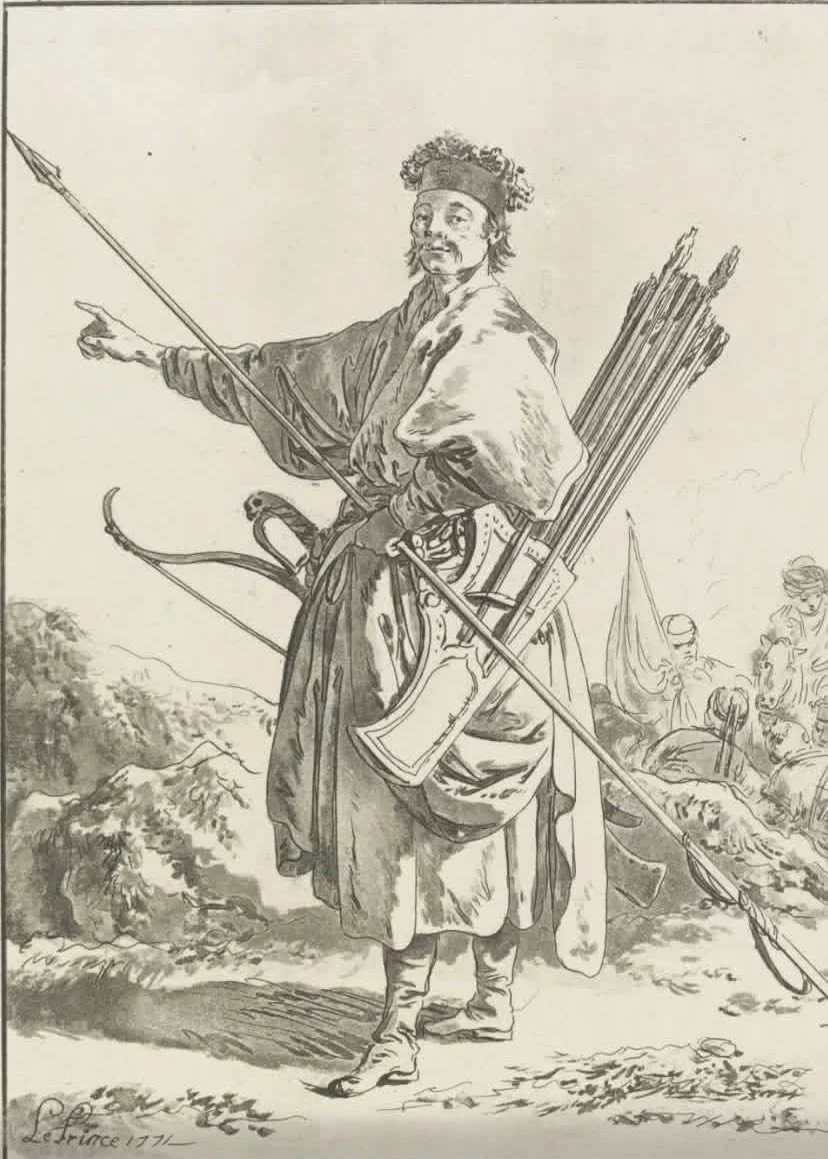
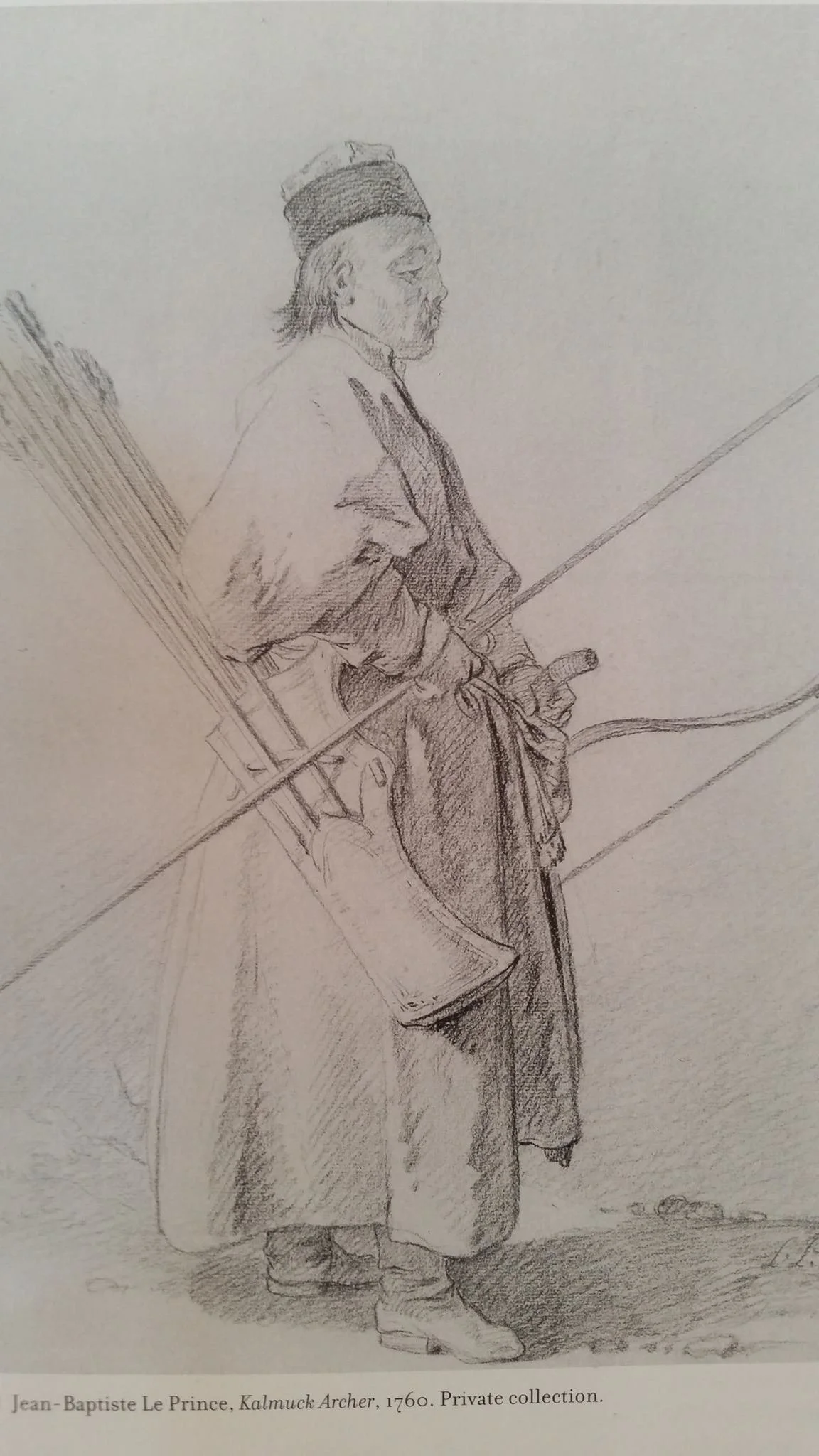
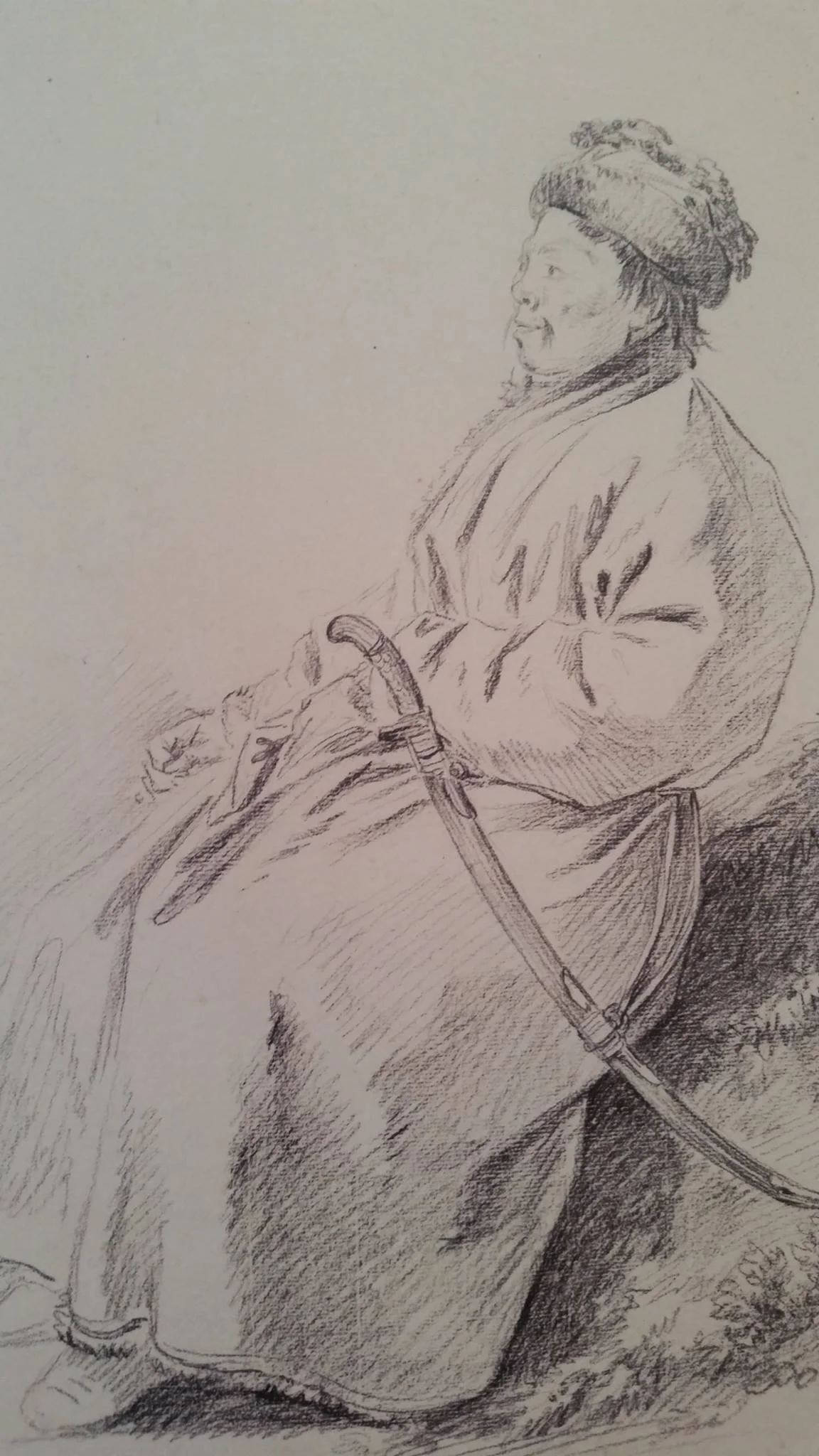
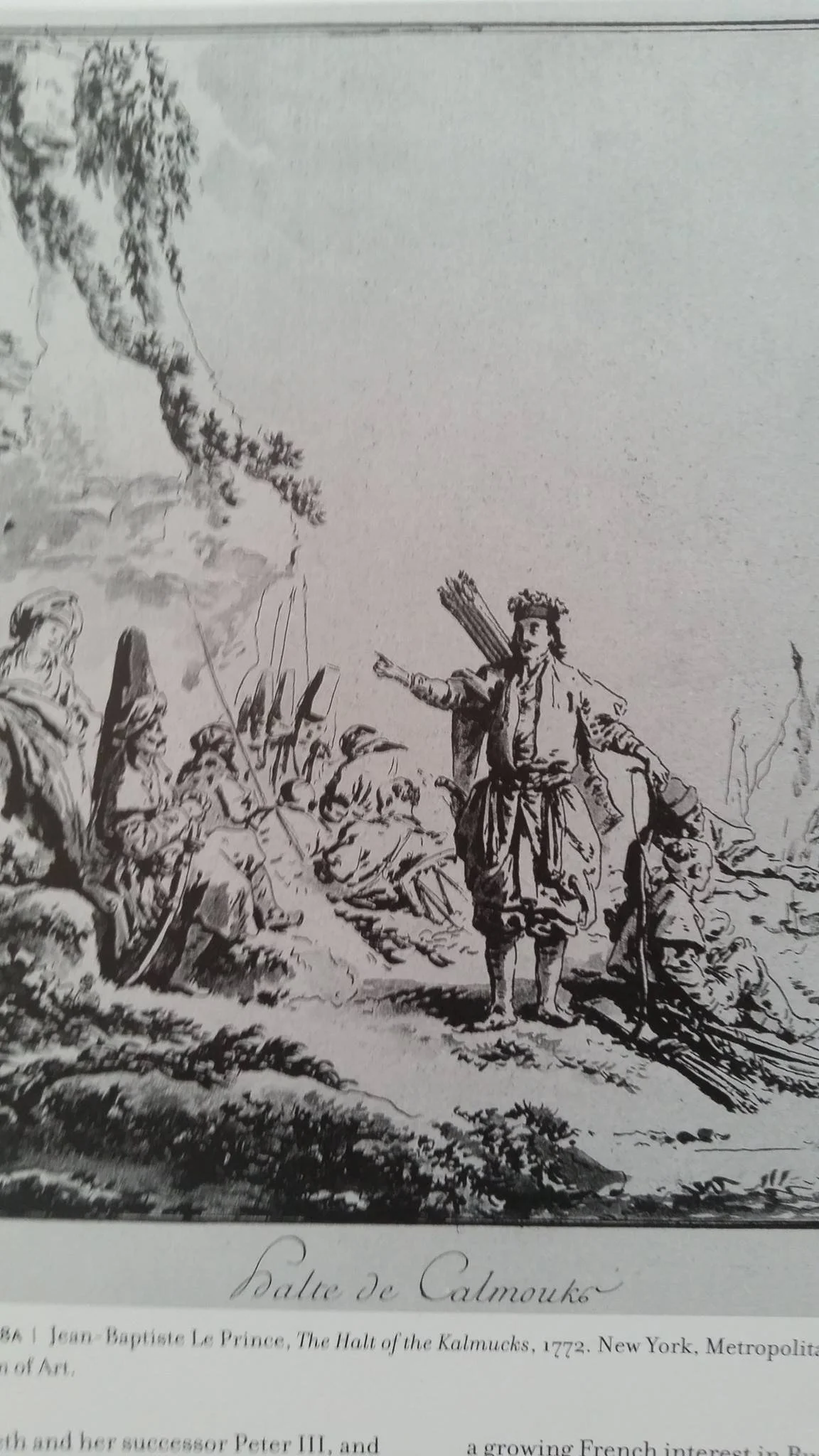
Jean-Baptiste Le Prince "Kalmuck Archer, 1760", "The Halt of the Kalmucks, 1772" and "Seated Kalmuck Warrior, 1760" in "Master Drawings from the Yale University Art Gallery" by Boorsch S. and Marciari J. Yale University Press, 2006The ancestors of the Kalmyks are the Oirats, western Mongols who originally inhabited Dzungaria (northern Xinjiang, China) and western Mongolia. In the early 17th century, a massive migration brought several Oirat tribes—primarily the Torgut, Khoshut, and Dorbet—across southern Siberia to the steppes of the lower Volga.
Here, they established the Kalmyk (Torgut) Khanate (1630–1771). Contrary to traditional Russian historiography, which often frames this as a "voluntary joining" of Russia in 1609, historical records show the Khanate was highly sovereign for over a century. The Kalmyks maintained diplomatic ties with the Dalai Lama, China, Iran, and the Crimean Khanate. They did not pay standard imperial taxes (yasak) and treated early agreements with Moscow as situational military alliances. Because Kalmyks were highly valued as warriors, they fought in nearly every Russian imperial war of the era as autonomous allies or mercenaries.
In 1771, a dramatic split occurred. The majority of the Kalmyks living on the left bank (east of the Volga) migrated back to Dzungaria in China. Those on the right bank—the ancestors of the contemporary Torgut, Dorbet, and Buzawa—remained in Russia and were integrated into the expanding Russian Empire.
Consequently, roughly one-third of the Kalmyk population was subsequently stripped of their autonomy, forbidden to bear arms, and restricted from crossing to the more fertile summer pastures on the eastern bank of the Volga.
Military Tradition and Exile
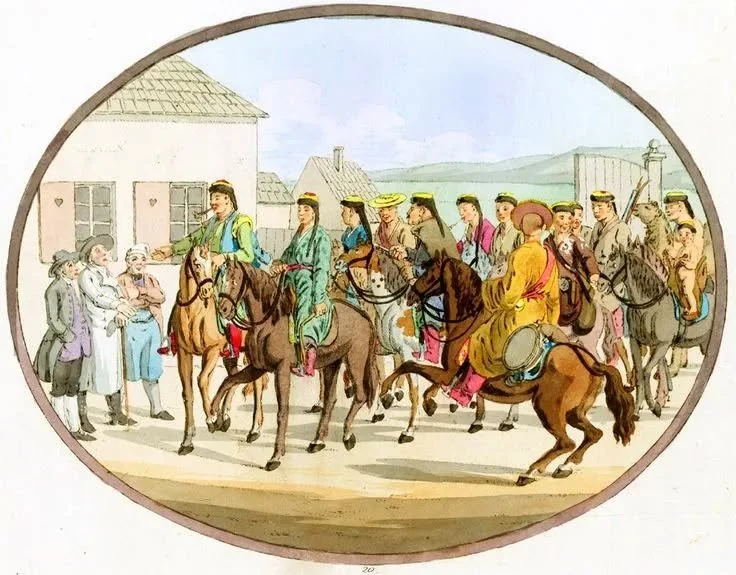
Kalmyks in Sarepta. Drawing by the German artist Christian Geissler, 1794. Sarepta was a German settlement in the Kalmyk steppes The colony of Sarepta, founded by Saxon missionaries, was located on the banks of the Sarpa River, south of Tsaritsyn. All around were steppes with Kalmyk nomad camps and low hills.The Kalmyks share a deep and remarkable military history with Russia. Following the abolition of the Kalmyk Khanate in 1771, their martial traditions were absorbed into the Russian military through the formation of Kalmyk Cossack regiments. These regiments fought and defended Russian territories up until the Bolshevik Revolution, developing their own unique, sedentarized, and bilingual culture.
During World War II, the Kalmyk people faced severe persecution. Accused of anti-Soviet activity, the entire population was exiled to Soviet Central Asia and Siberia. They were not permitted to return to their homeland until 1957. This forced exile had a devastating impact on their population, which dropped from 134,000 in 1939 to 106,000 by 1959.
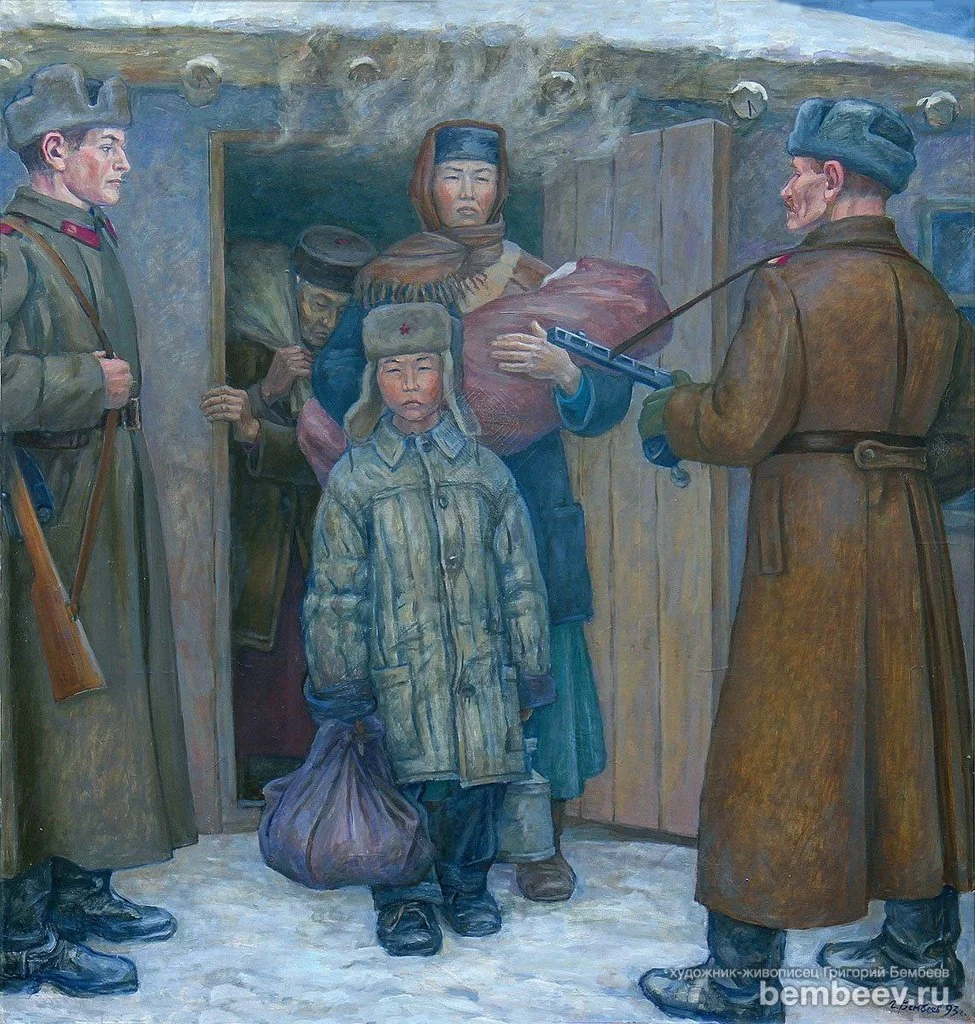
"Farewell, Kalmyk Land!" By Kalmyk artist Grigory Bembeev, 1993. 190 × 180 cm, oil on canvas. Museum of the A. Pyurbeev Iki-Burul Secondary School.Culture, Society, and Religion
Traditionally, the Kalmyks are classic nomadic pastoralists. They historically raised horses, cattle, sheep, goats, and camels, moving in an annual cycle between winter camps and seasonal pastures. Their traditional home is the ger or yurt, a portable felt tent built on a lattice frame.
Social Structure:
Family: Patrilineal and traditionally extended, grouping parents, married sons, and unmarried children.
Community: Families formed kin villages, which were grouped into lineages, clans, and confederations.
Estates: Historically divided into princely, noble, common, and clerical classes (today, only the common estate remains).
Religion: The majority of Kalmyks practice Tibetan Buddhism, heavily mixed with indigenous and shamanistic beliefs. A small distinct group, the Sart Kalmyk living in Kyrgyzstan, practice Islam.
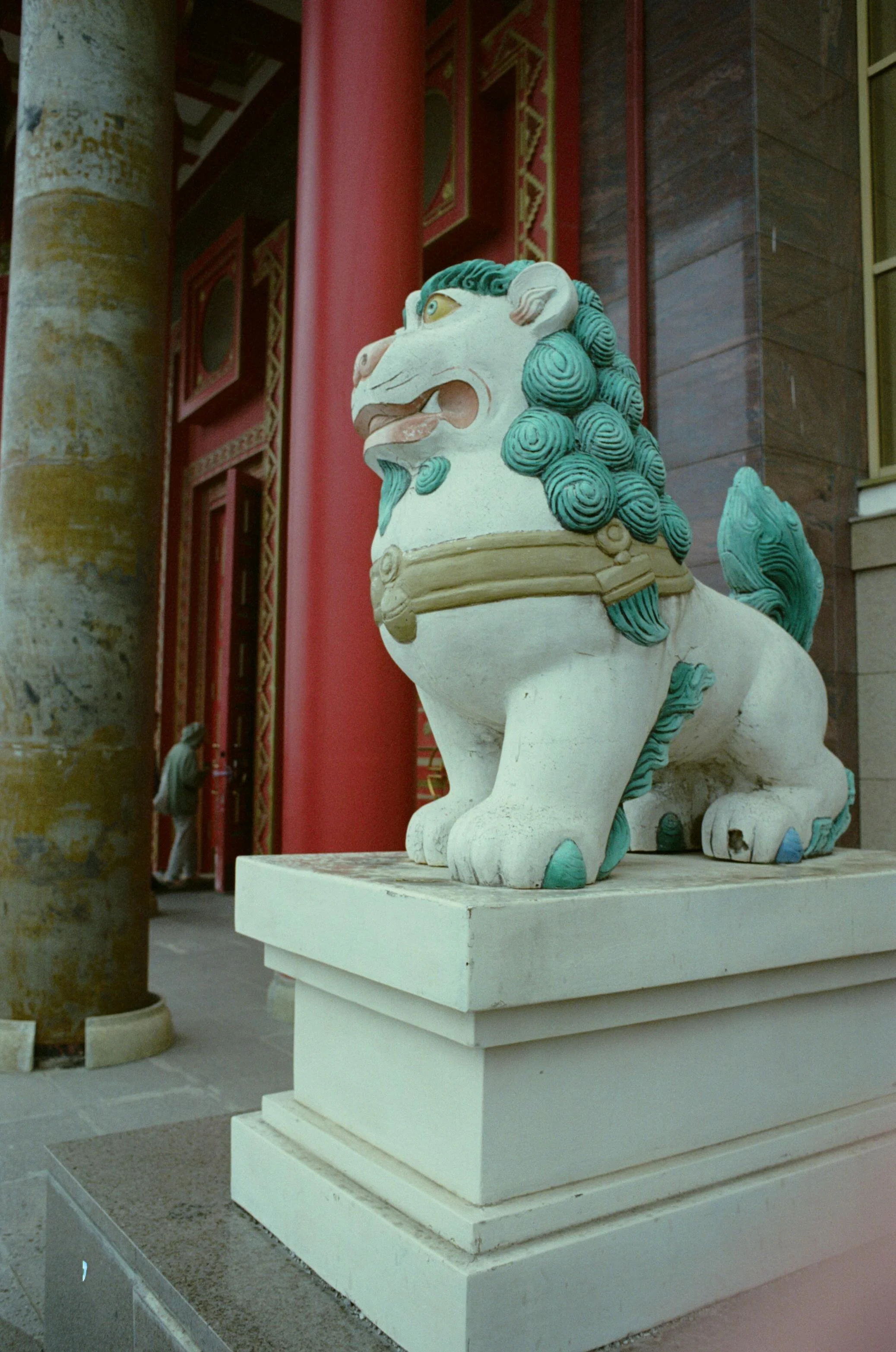
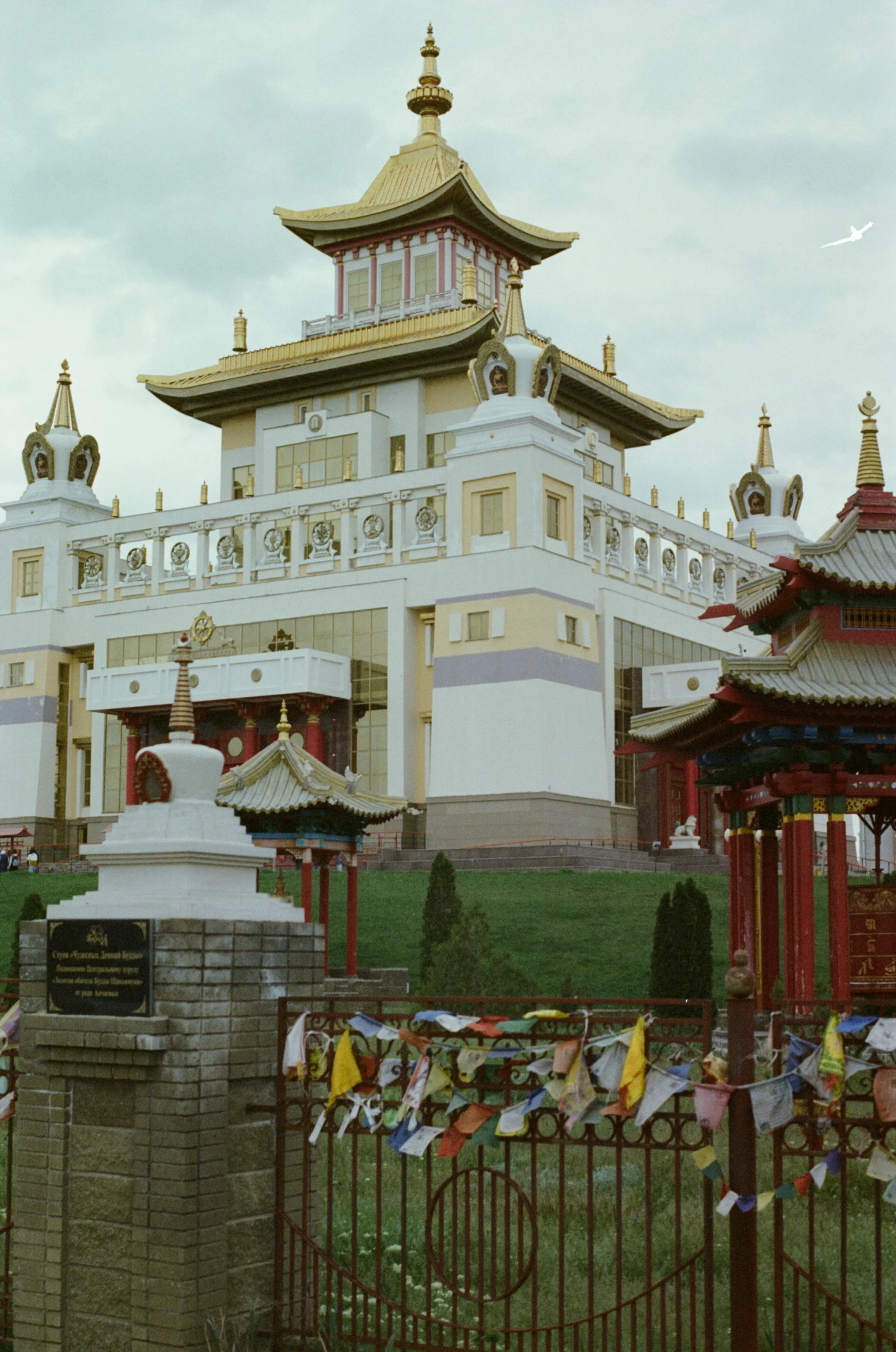
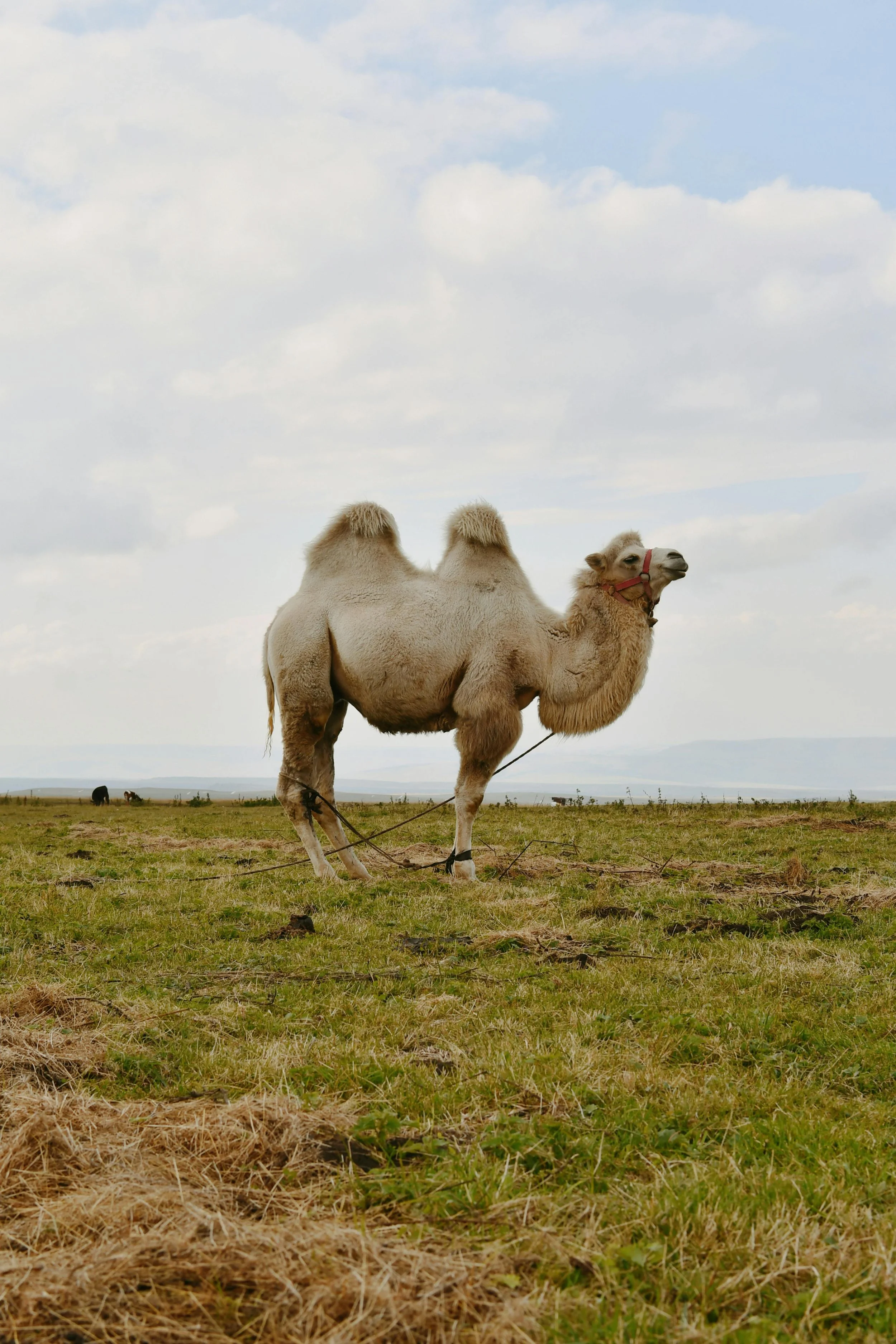
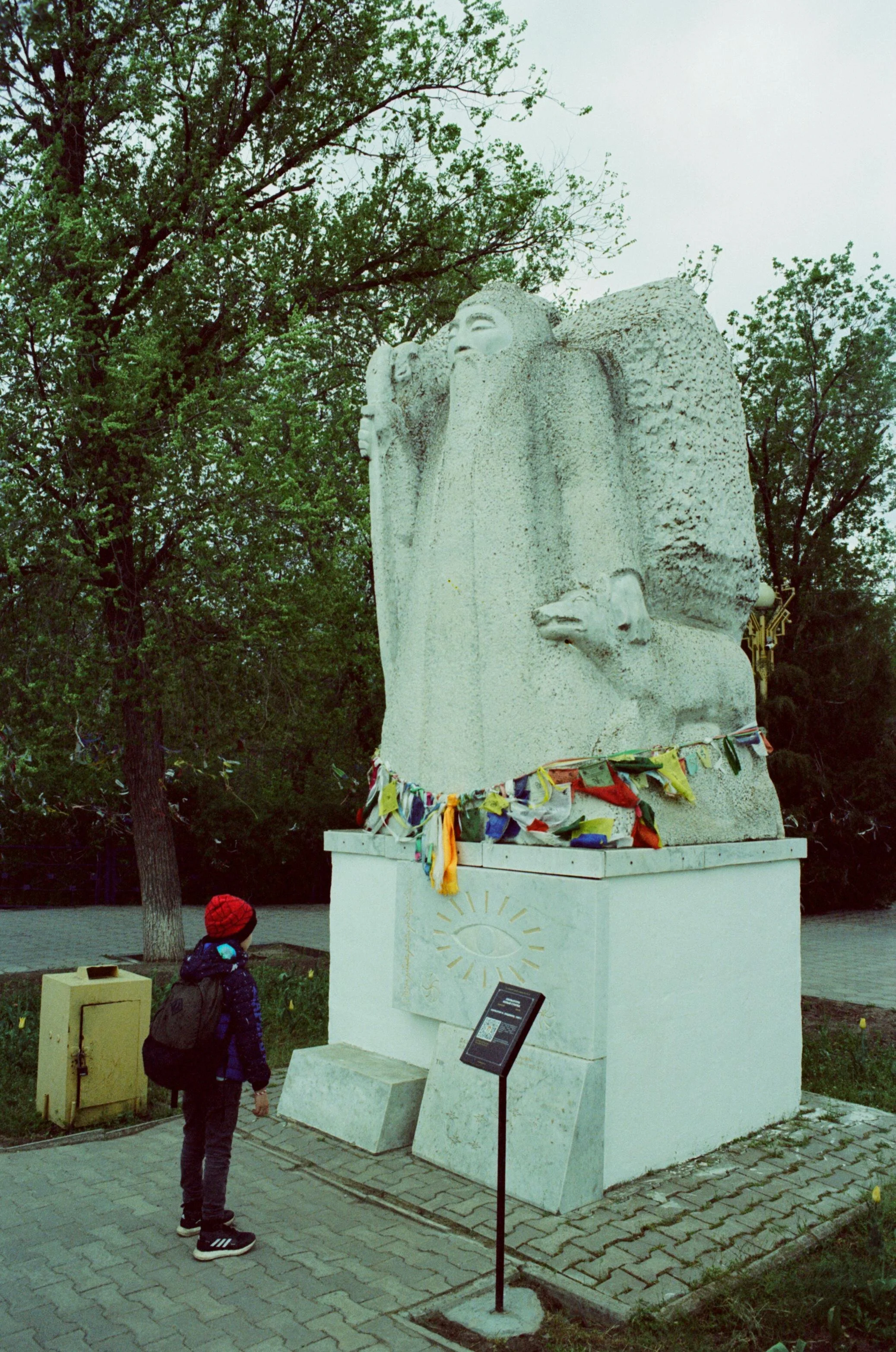
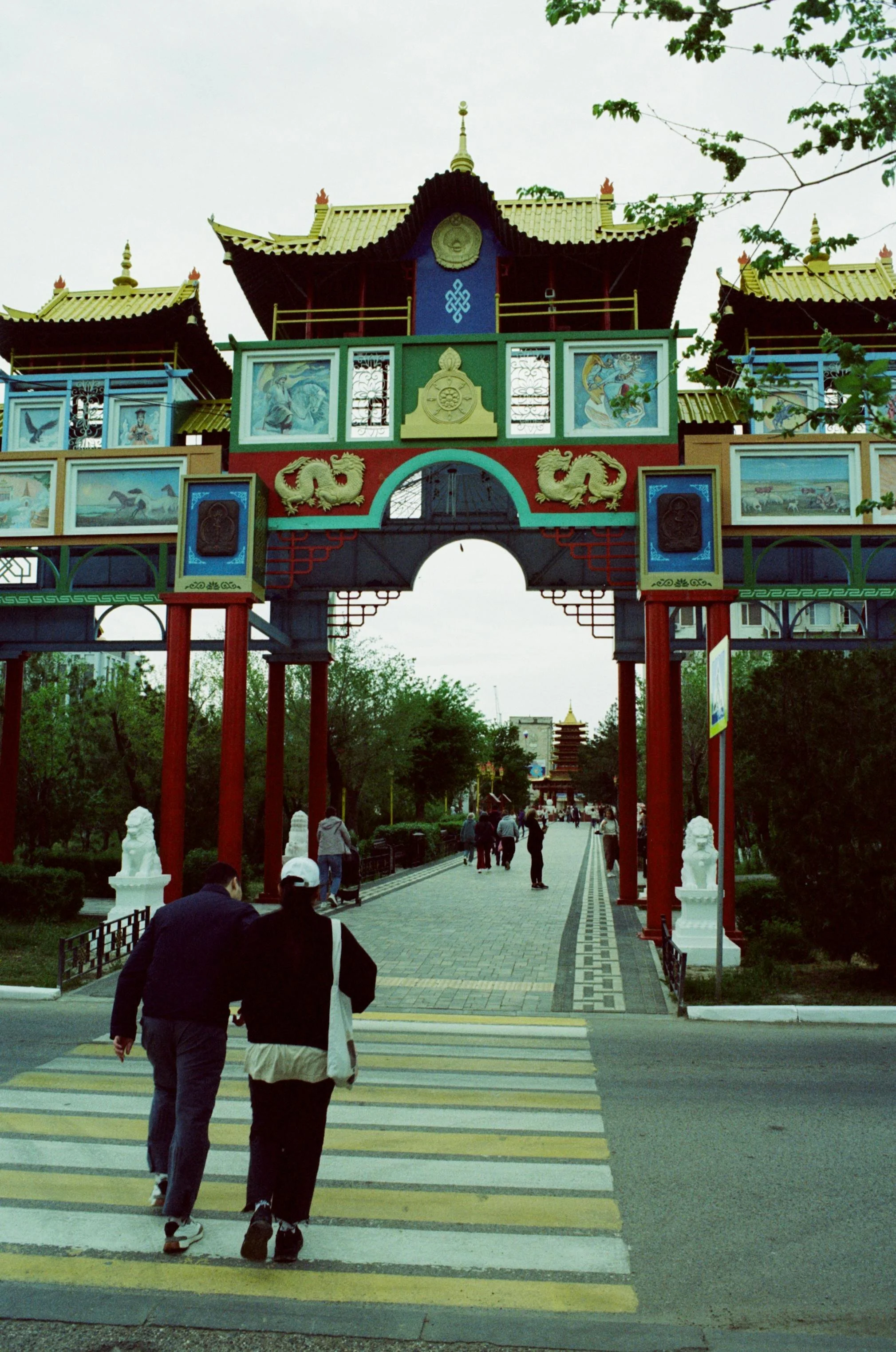
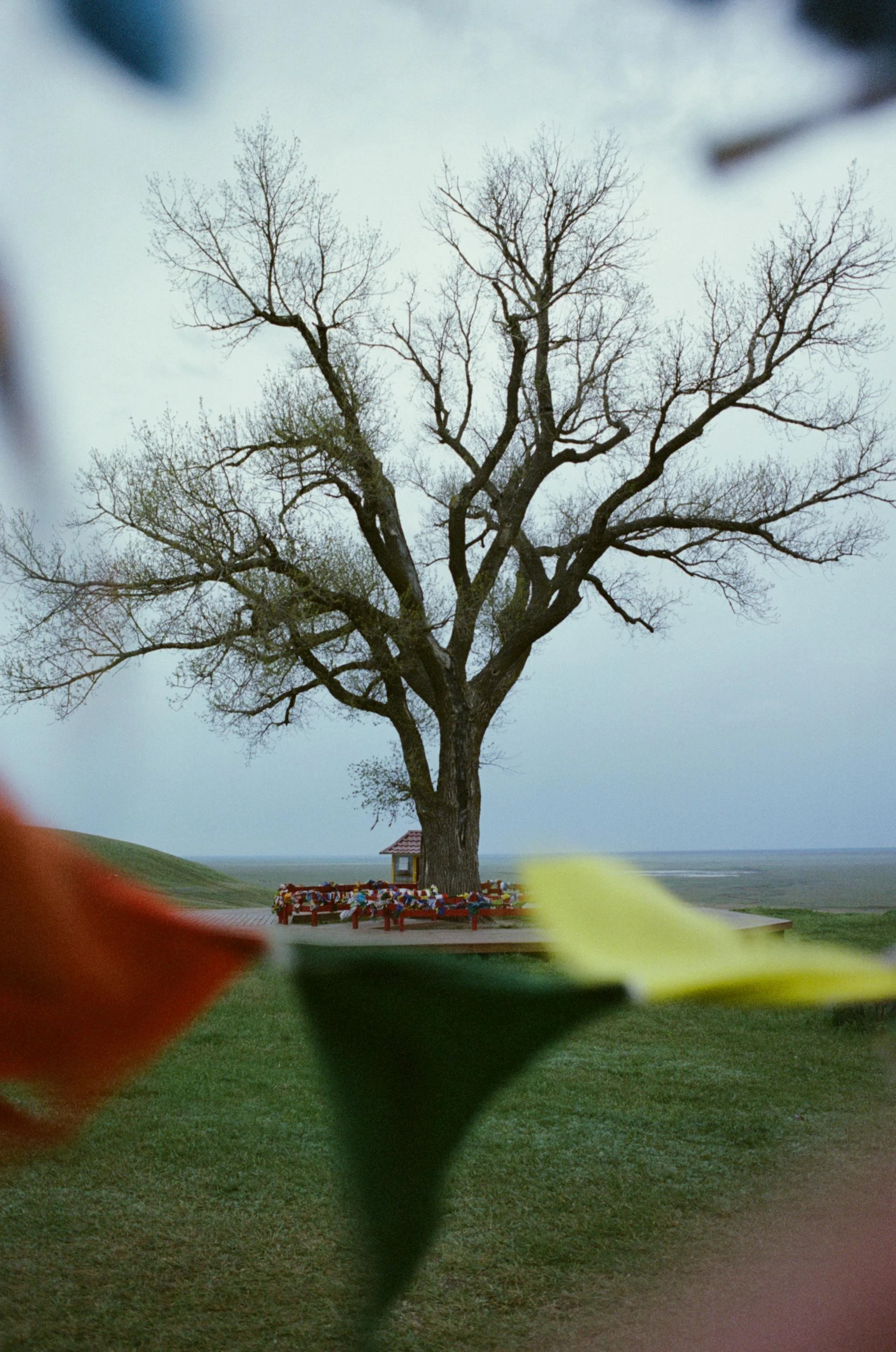
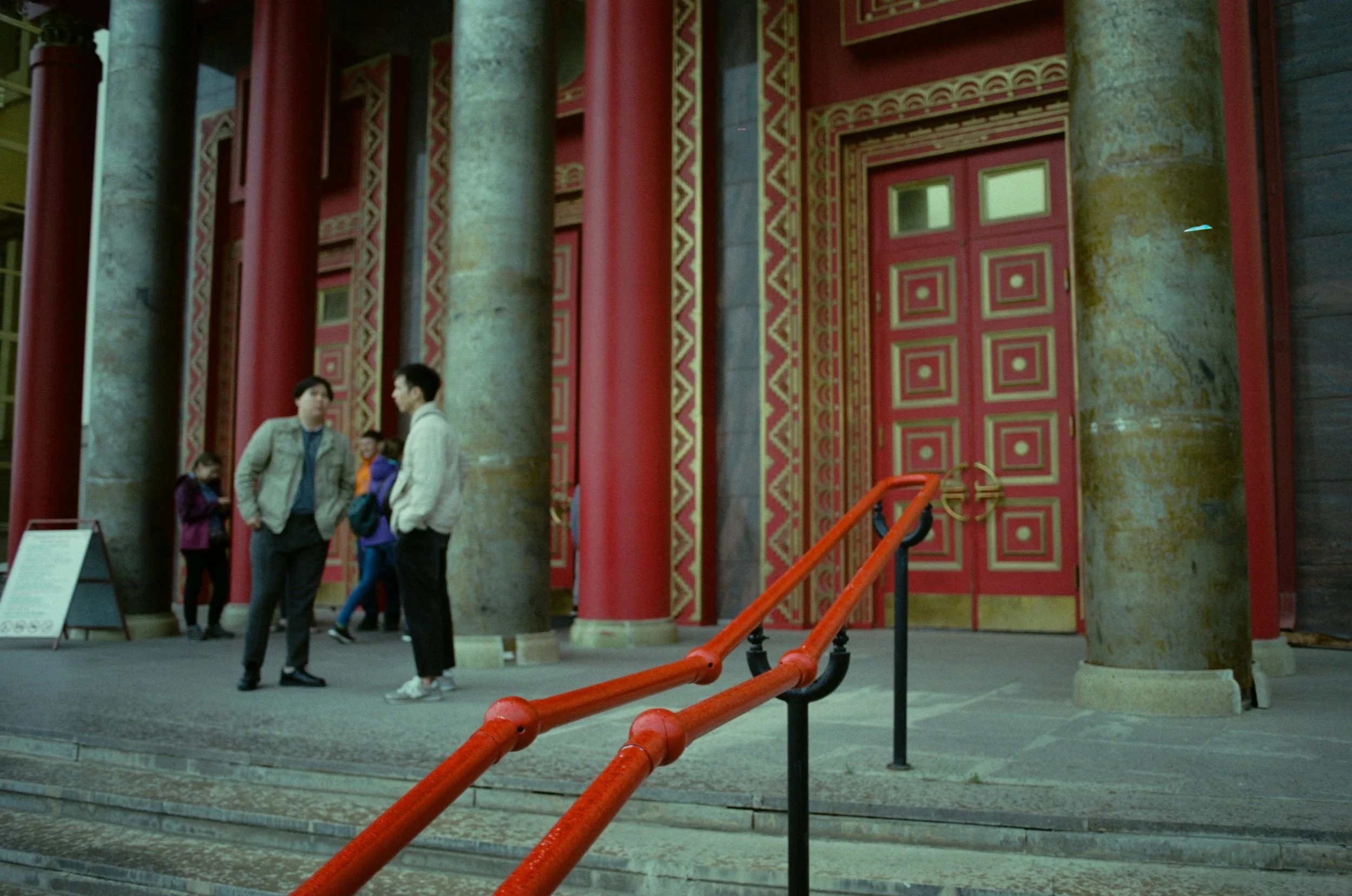
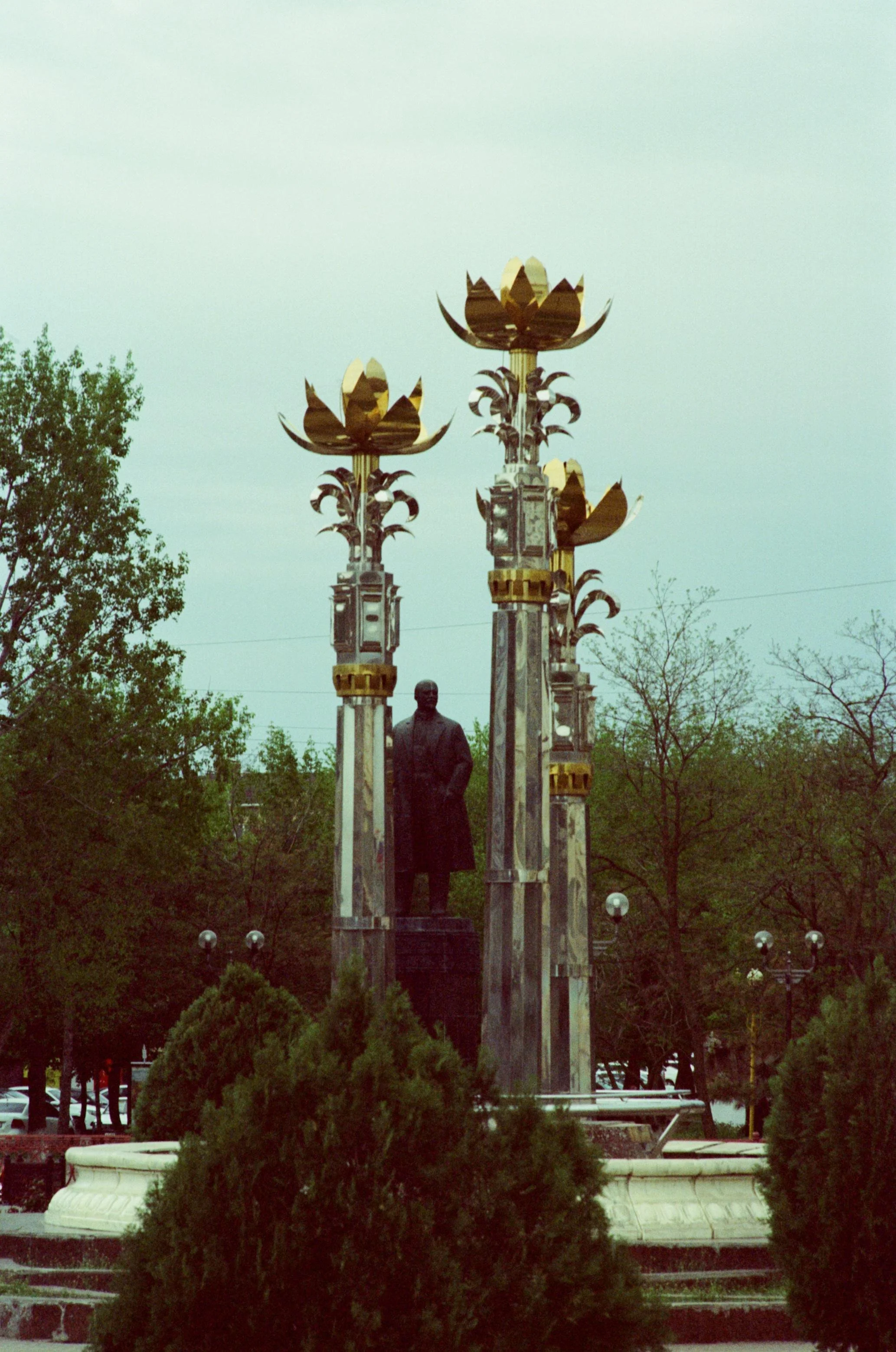
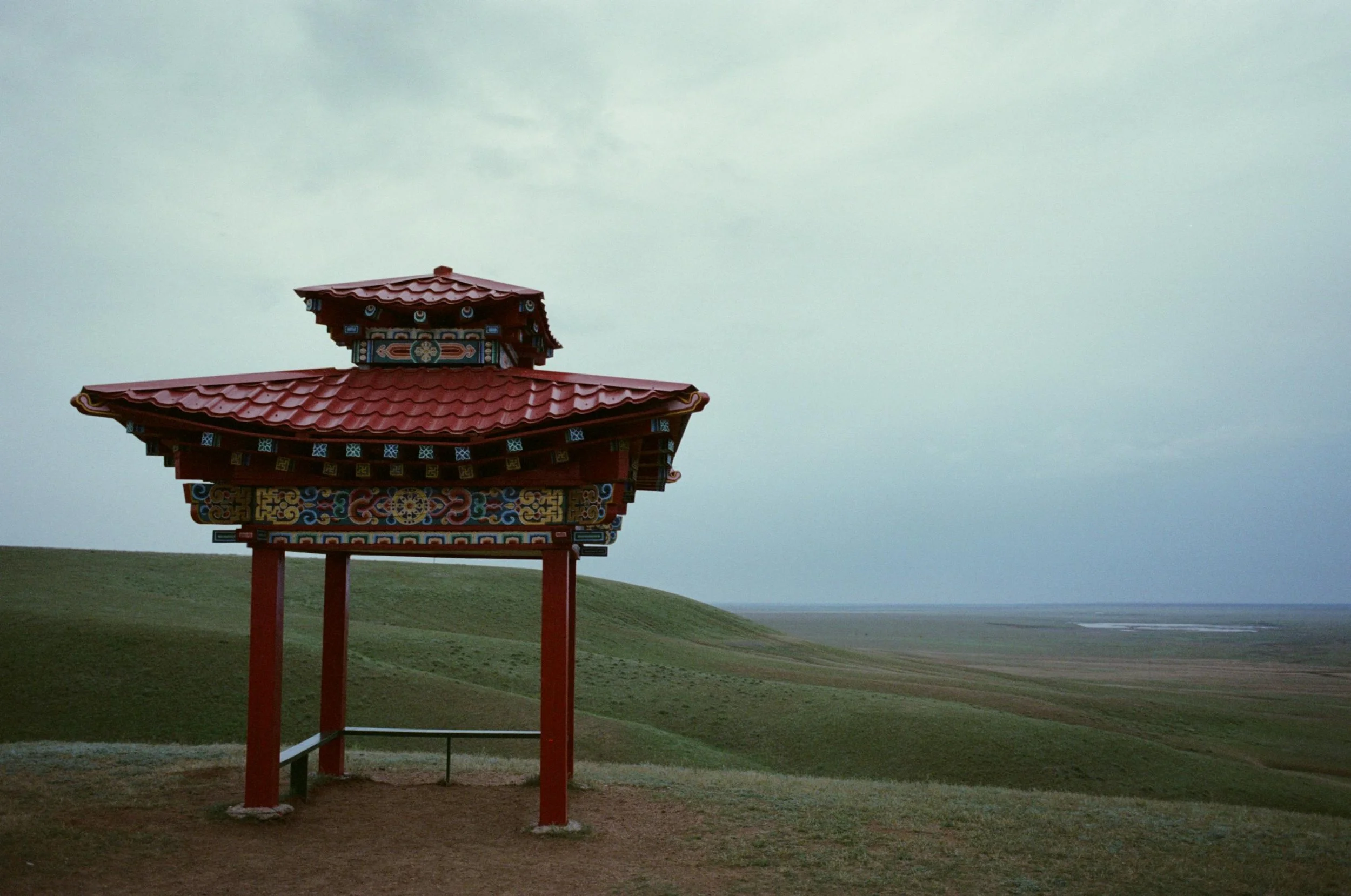
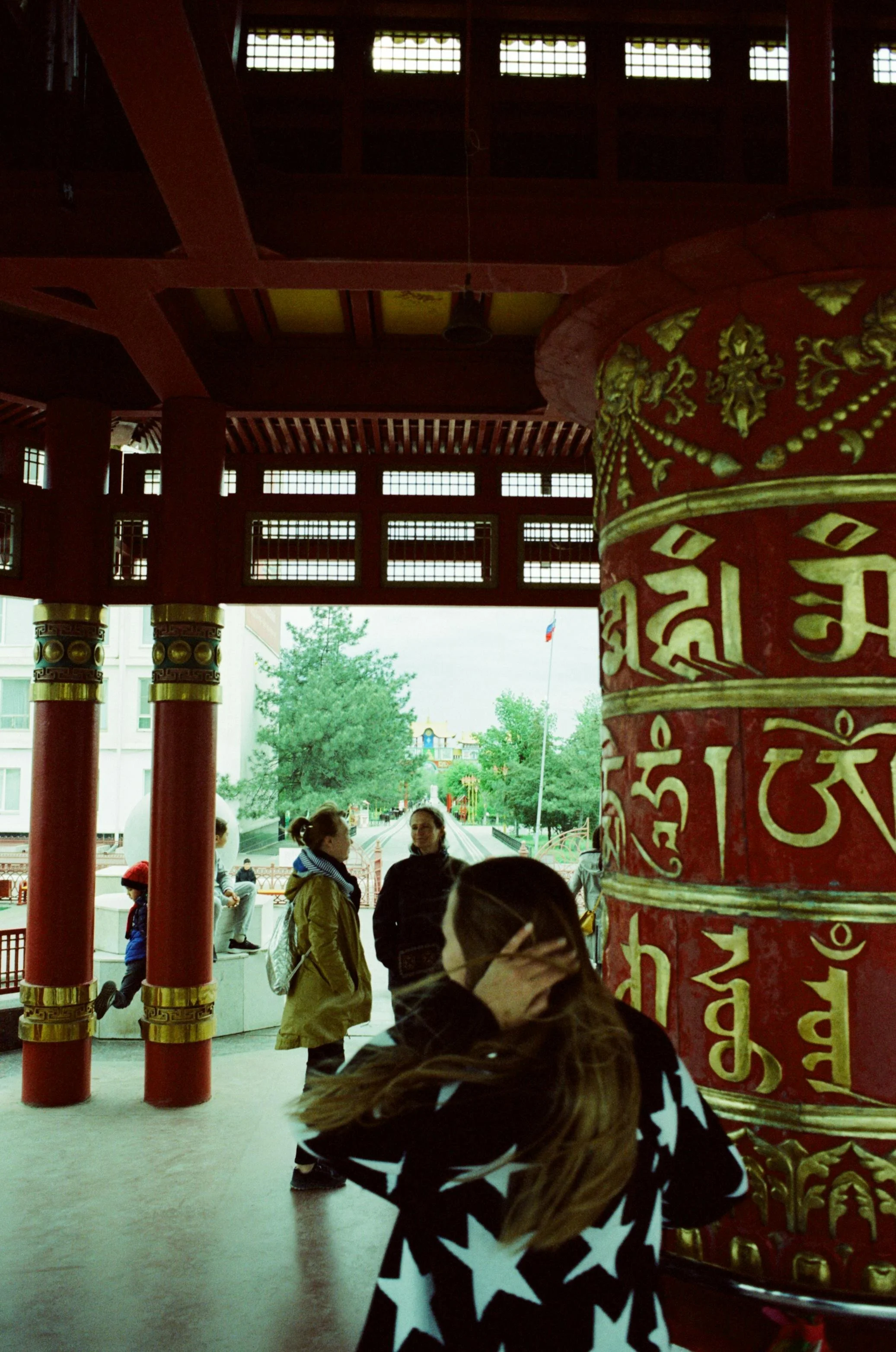
Photos of Kalmykia from Pexels by @palancky (Игорь Кипелкин) https://www.pexels.com/@palancky/Kalmyk Language
Kalmyk (or Kalmyk-Oirat) belongs to the Mongolian group of Altaic languages. It features three main dialects: Torgut, Derbet, and Buzav.
Historically, the language utilized a unique alphabet called todo bichig (clear script), created in the 17th century by the Buddhist monk Zaya Pandita based on traditional Mongolian script. This was used for official decrees, Buddhist texts, and literature until 1924, when it was banned and replaced by the Cyrillic alphabet.
Today, the Kalmyk language is classified by UNESCO as definitely endangered. While Kalmyk gained official language status in the Republic of Kalmykia in 1994, fluent speakers are largely restricted to the older generations living in rural areas. Middle-aged and younger Kalmyks predominantly communicate in Russian, often possessing only a passive or very limited understanding of their native tongue.
Demographics and Global Population
The Demographics and Global Population data provides a comprehensive snapshot of the Kalmyk and Oirat people across their primary regions of residence, totaling an estimated global population between 600,000 and 700,000. In the Russian Federation, the 2010 census recorded 183,372 ethnic Kalmyks, with the vast majority (162,740) living within the Republic of Kalmykia, while smaller historic communities remain in the Astrakhan and Volgograd regions. Beyond Russia, the Oirat diaspora is significant in Western Mongolia, numbering over 222,000 across various tribal subgroups, and in China’s Xinjiang province, where approximately 172,000 reside.
In addition to these primary regions, small diasporas of Kalmyks can be found in the United States, France, and the Czech Republic, representing the far-reaching legacy of this historic nomadic group.
Today, Kalmyks stand as a unique bridge between Europe and Asia—a Mongolian, Buddhist nation on the edge of the Caucasus, shaped by a history of fiercely defended sovereignty, tragic exile, and remarkable cultural adaptability.