A Living Lineage: Remembering Torghut Princess Deveenyamuu
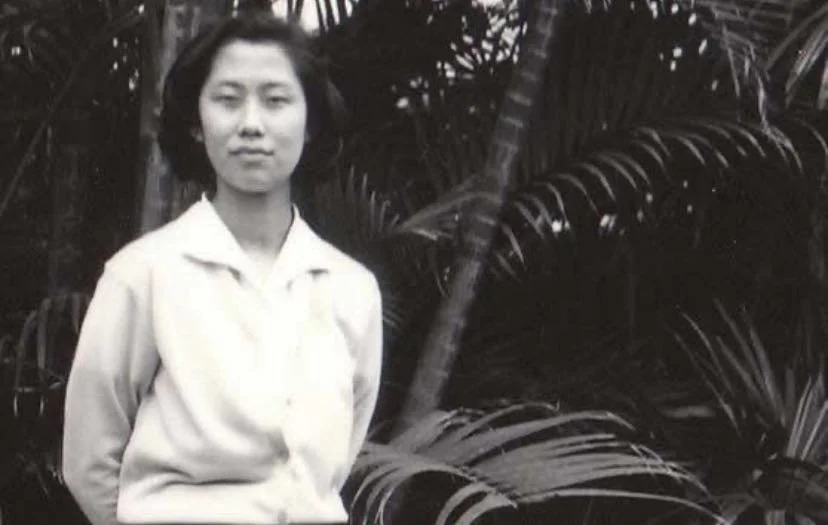
The history of the Kalmyk and Torghut people is not confined to ancient texts; it is a living, breathing lineage that stretches across centuries and continents. Recently, the diaspora in America marked the passing of Torghut Princess Deveenyamuu, a daughter of Minjuurdorj and an accomplished scholar who earned her Ph.D. from Indiana University.
Her passing is a profound moment for the community—not just in mourning the loss of a brilliant academic mind, but in reflecting on the incredible depth of Kalmyk history she represented. Her family tree is a direct map of Oirat Mongolian culture and leadership, stretching back to the very formation of the Mongol empire.
Tracing the Royal Line: From the Volga to the Keraits
To understand the significance of Princess Deveenyamuu's heritage is to walk through the major turning points of our history. As noted by scholar Myagmar Saruul-Erdene, her lineage traces a remarkable path: her father was Minjuurdorj, son of Wang Balt, son of Wang Bayar.
Tracing this royal Torghut lineage even further back reveals a direct connection to two of the most pivotal figures in Eurasian history:
1. The Legacy of the 1771 Migration The Princess's ancestry reaches back to Bambar Noyon, the older brother of the legendary Ubashi Khan. In the 18th century, Ubashi Khan made the monumental and tragic historical decision to lead the Torghuts from the banks of the Volga River back toward Dzungaria in 1771. This exodus is a defining chapter in Kalmyk identity, representing the fierce independence and enduring endurance of the people. To be a descendant of Bambar Noyon is to be directly tied to the leaders of that historic journey.
2. The Era of Genghis Khan The historical roots run deeper still. The royal line of Bambar Noyon is long considered to be descended directly from Toghril Khan (also known as Wang Khan) of the Keraits, who lived from 1130 to 1203. Toghril Khan is a towering figure in global history—the ally, blood brother (anda), and eventual rival of Temüjin, the man who would become Genghis Khan. As the "adopted father" who aided Genghis Khan in his early rise to power, Toghril Khan's legacy is foundational to the creation of the Mongol Empire.
Preserving Our Living History
The life and lineage of Princess Deveenyamuu remind us that the sweeping epics of the steppes are intimately connected to the families living in our communities today.
As a dedicated cultural heritage organization, the Kalmyk Heritage Center is committed to preserving these vital connections. Through our historical research and cultural awareness content, we ensure that the stories of figures like Ubashi Khan, Toghril Khan, and modern leaders like Princess Deveenyamuu are never forgotten.
We invite you to explore more of this history through our cultural education and heritage programs. By supporting our nonprofit cultural community organization, you help us keep this living history vibrant for the next generation.